

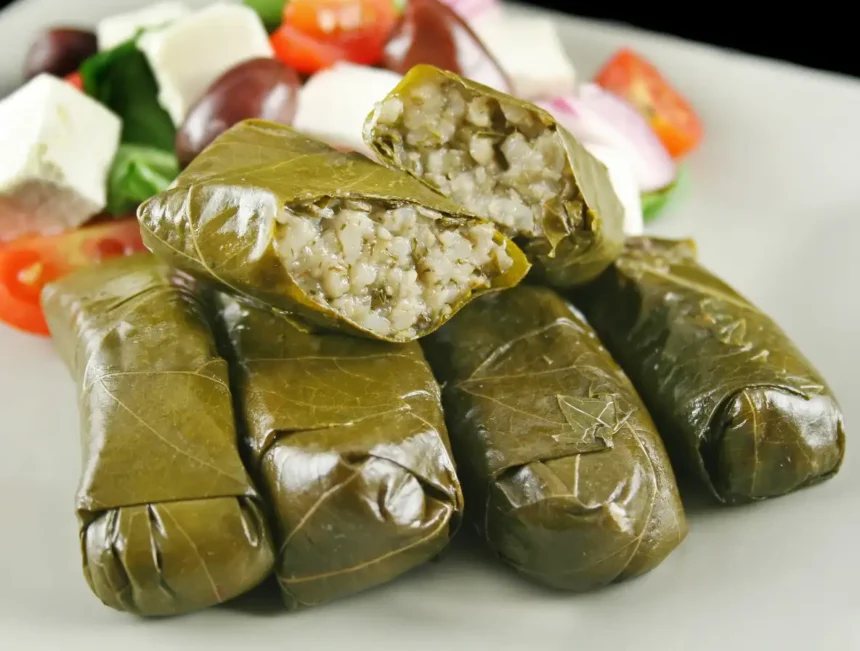
Are you looking for an authentic, flavorful dish that will transport your taste buds to the Mediterranean? Look no further than these incredible homemade dolmades! These delicious stuffed grape leaves are packed with lamb, rice, and aromatic herbs, creating a perfect balance of flavors that will leave everyone asking for seconds.
I still remember the first time I tried making these at home. The intoxicating aroma of mint and oregano filled my kitchen, and that first bite tender grape leaves wrapped around perfectly seasoned rice and lamb was absolutely magical. What makes this recipe extra special is that it comes straight from my family cookbook, passed down through generations and perfected over time.
The beauty of these dolmades lies in their versatility. Whether served as an appetizer for your next dinner party or as part of a larger Mediterranean feast, they’re guaranteed to impress. And the best part? While they may look fancy, they’re surprisingly simple to make!
If you’ve enjoyed my Greek Moussaka recipe, you’re going to absolutely love these dolmades. The same bold Mediterranean flavors, but in perfect bite-sized packages!
What Are Dolmades?
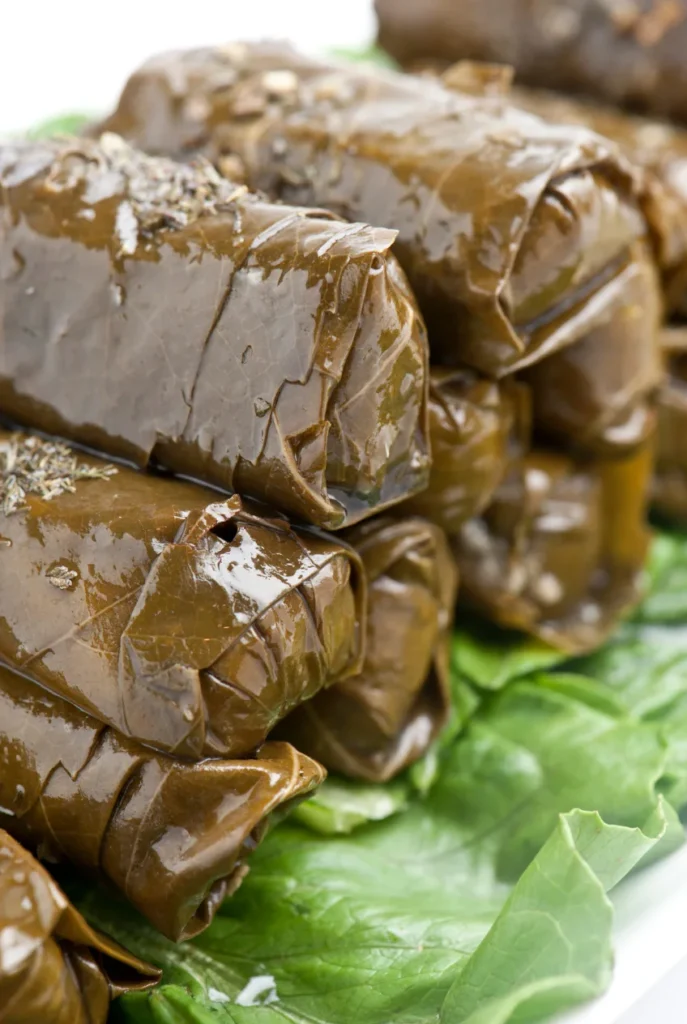
Ever wondered why these delicious little parcels are called “dolmades”? The name comes from the Turkish word “dolma,” which simply means “stuffed” and that’s exactly what these are: deliciously stuffed grape leaves! Isn’t it fascinating how food brings cultures together? These little flavor bombs are popular throughout the Mediterranean and Middle East, with each region adding its own special touch. As they say, “the way to a man’s heart is through his stomach,” and these dolmades have been winning hearts for centuries! Whether you call them dolmades, dolmas, or stuffed grape leaves, one thing’s for certain once you try this recipe, you’ll be making them again and again!
Why You’ll Love These Dolmades
Family Legacy
This isn’t just any dolmades recipe it’s a treasured family favorite inspired by generations of tradition. Each bite carries the warmth of family memories and the rich flavors that have been perfected over time.
Budget-Friendly Delight
Making dolmades at home is surprisingly economical. A jar of grape leaves costs just a few dollars and can make around 70 dolmades! The filling stretches humble ingredients like rice and ground meat into an impressive feast that can feed a crowd for pennies per serving compared to restaurant prices.
Bursting with Flavor
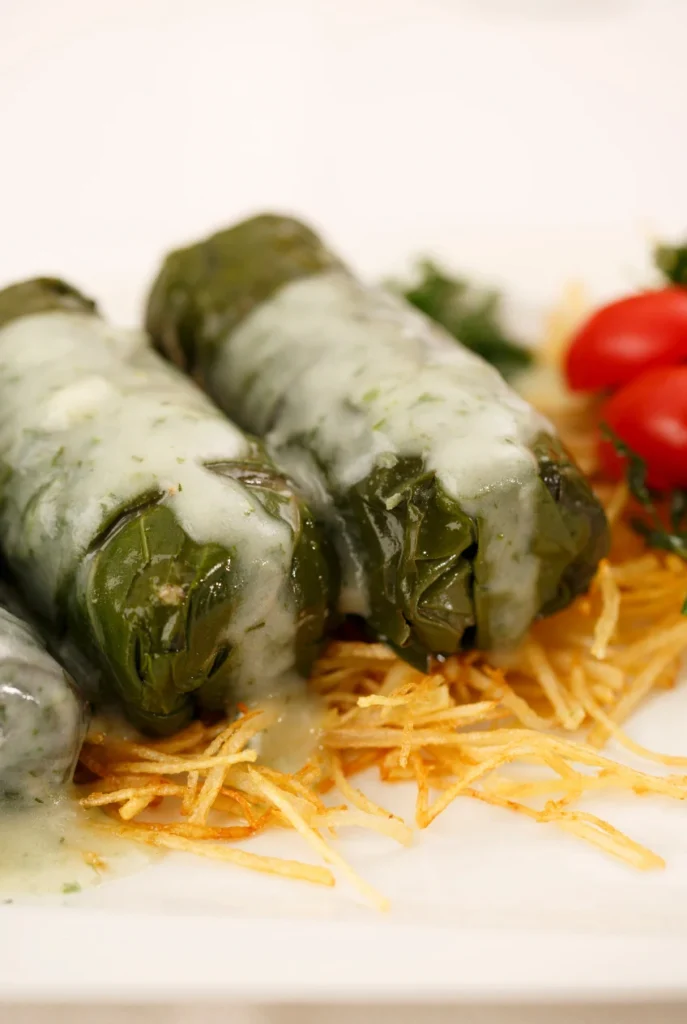
The combination of caramelized onions, fresh herbs, and tender lamb creates an explosion of flavor in every bite. And let’s not forget the crowning glory that creamy, tangy lemon sauce that takes these dolmades from delicious to absolutely unforgettable. If you loved my Greek Lemon Chicken recipe, you’ll recognize similar bright, zesty notes in this sauce!
Want to impress your dinner guests without breaking the bank? These dolmades are your answer. Check out my Mediterranean Mezze Platter for more ideas on creating an impressive spread!
How to Make Dolmades
Quick Overview
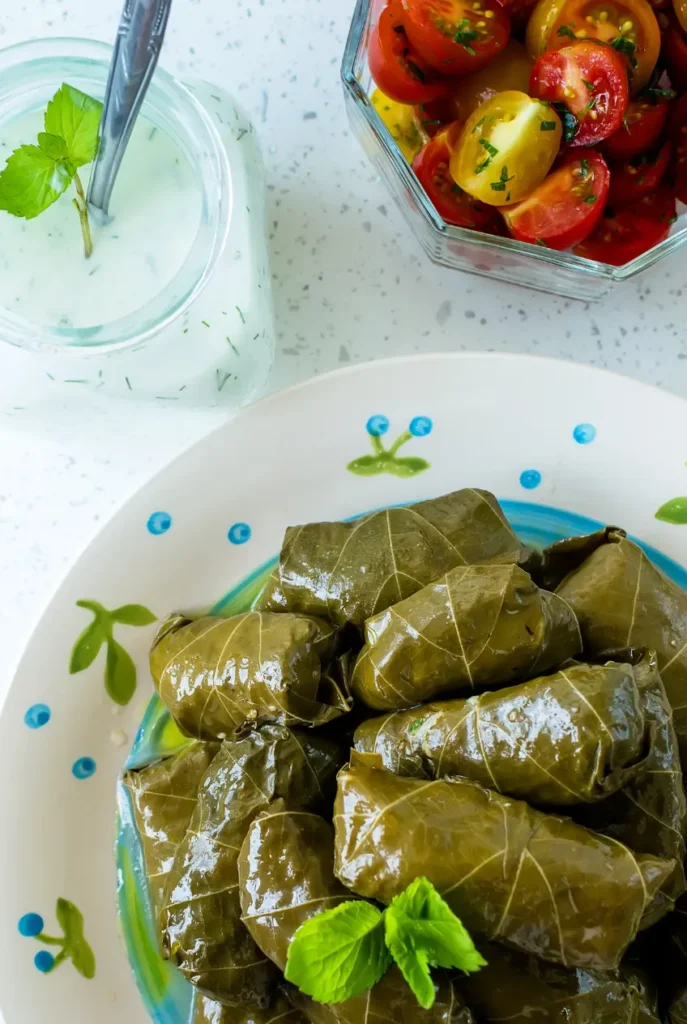
This recipe takes traditional dolmades and makes them approachable for home cooks. What makes them special is the perfect balance of flavors the earthy grape leaves, fragrant herbs, and rich lamb filling, all brightened by a creamy lemon sauce. While there is some prep work involved, most of the cooking time is hands-off, allowing you to prepare the rest of your meal while they simmer to perfection.
Key Ingredients for Dolmades
- 1 jar (16 oz) grape leaves in brine – Drained and rinsed
- 1 large sweet onion – Finely minced
- 2 tablespoons extra-virgin olive oil
- 1 pound ground lamb – Ground beef or fatty ground turkey can be substituted
- 3 large garlic cloves – Grated
- 2 tablespoons fresh oregano – Finely minced
- 2 tablespoons fresh mint – Finely minced
- 1/2 cup plain tomato sauce – Not ketchup!
- 1/2 cup beef broth – Adds richness and depth of flavor
- 3/4 teaspoon kosher salt
- 1 1/2 cups water
- 1 cup long grain white rice
- 1 lemon – Juiced
- 2 bay leaves
- 2 cups water – For cooking the rolled dolmades
For the Lemon Sauce:
- 1 cup low-sodium chicken broth
- 2 lemons – Zested and juiced
- 3 large eggs
- 1/4 teaspoon salt
Preparing the Filling
- Sauté the onions: Heat 2 tablespoons of olive oil in a large skillet over medium-high heat. Add the minced onion and cook for about 10 minutes, stirring frequently, until softened and lightly caramelized.
- Add the meat: Add 1 pound of ground lamb (or your chosen substitute) to the onions and brown it, breaking it up as it cooks.
- Add flavor enhancers: Grate 3 garlic cloves directly into the skillet. Add 1/2 cup tomato sauce, 1/2 cup beef broth, the minced oregano and mint, and 3/4 teaspoon kosher salt. Stir to combine.
- Partially cook the rice: Reduce heat to low and add 1 1/2 cups water and 1 cup rice. Simmer for about 12 minutes, until most of the liquid is absorbed. The rice won’t be fully cooked, which is intentional as it will continue cooking later.
- Cool the filling: Remove from heat and allow the mixture to cool for at least 20 minutes.
Rolling the Dolmades
- Prepare the grape leaves: While the filling cools, remove grape leaves from the jar and soak them in cold water for 10 minutes. Drain well.
- Line the cooking pan: Use any torn or damaged grape leaves to line the bottom of a 12-inch skillet.
- Roll technique: Unfold a grape leaf on a flat surface, vein-side up. Place about 1 tablespoon of filling near the stem end. Fold the right side over the filling, then the left side. Finally, roll up from the stem end to create a neat package. Place seam-side down in the lined skillet.
- Arrange neatly: Continue rolling dolmades and arranging them snugly in the skillet, creating a complete layer before starting a second layer if needed.
Cooking the Dolmades
- Final preparation: Once all dolmades are in the pan, pour lemon juice over them. Add bay leaves and 2 cups of water. Place a few additional grape leaves on top, then cover with an inverted plate that fits inside the skillet to weigh them down.
- Simmer to perfection: Cover the skillet and bring to a boil over medium heat (about 10 minutes). Reduce heat to low and simmer for about 1 hour, until about half the liquid is gone and the rice is tender.
Creating the Lemon Sauce
- Start the base: In a small pot, bring the chicken broth to a simmer over medium heat.
- Prepare egg mixture: In a separate bowl, whisk together lemon zest, lemon juice, eggs, and salt.
- Temper the eggs: Gradually whisk half the hot broth into the egg mixture, then return the entire mixture to the pot with the remaining broth.
- Thicken the sauce: Cook over medium-low heat, stirring frequently, for about 7 minutes until the sauce thickens enough to coat the back of a spoon.
- Finish and serve: Strain the sauce through a sieve to remove any egg bits and lemon zest. Serve the dolmades with the creamy lemon sauce drizzled over the top or on the side for dipping.
What to Serve Dolmades With
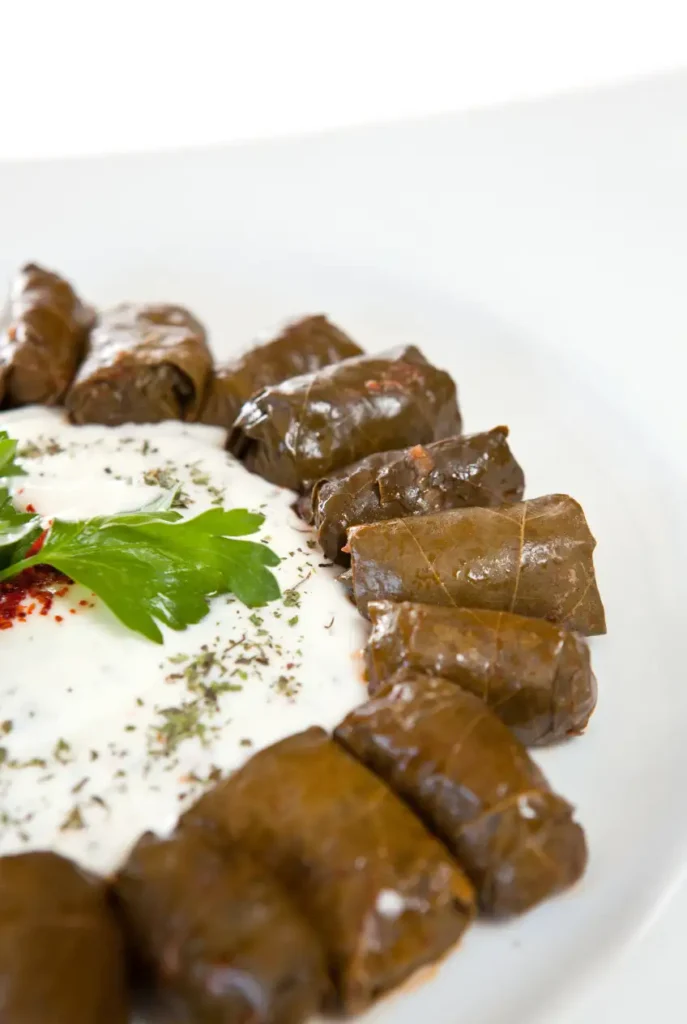
Dolmades are incredibly versatile and pair beautifully with other Mediterranean favorites:
- Greek Salad: The crisp vegetables and tangy feta cheese complement the rich dolmades perfectly.
- Tzatziki: This cool yogurt and cucumber dip provides a refreshing contrast.
- Warm Pita Bread: Perfect for sopping up any extra lemon sauce.
- Roasted Vegetables: Try eggplant, zucchini, and bell peppers drizzled with olive oil.
- Hummus: Another delicious dip that works well on a Mediterranean mezze platter.
- Greek Olives: Their briny flavor pairs wonderfully with the dolmades.
Top Tips for Perfecting Dolmades
- Don’t overfill the grape leaves: Use just about 1 tablespoon of filling per leaf overfilling makes them difficult to roll and more likely to burst during cooking.
- Roll them tightly but gently: The grape leaves are delicate, so handle with care, but make sure they’re rolled firmly enough to hold their shape.
- Use the torn leaves strategically: Save any damaged grape leaves for lining the bottom of the pan no waste and they’ll still contribute flavor.
- The plate trick: Don’t skip placing the inverted plate on top of the dolmades during cooking it keeps them from unraveling as they simmer.
- Make it vegetarian: You can replace the lamb with finely minced mushrooms for a delicious vegetarian version.
- Let the sauce thicken properly: The lemon sauce should coat the back of a spoon if it’s too thin, it won’t cling properly to the dolmades.
- Check for doneness: Cut one open to check if the rice is fully cooked before serving. It should be tender but still have a slight chew.
Storing and Reheating Tips
Dolmades actually improve in flavor after a day in the refrigerator, making them perfect for make-ahead meals!
Refrigeration: Store cooled dolmades in an airtight container in the refrigerator for up to 4 days. Store the lemon sauce separately.
Freezing: These freeze beautifully! Place cooled dolmades in a single layer on a baking sheet and freeze until solid. Transfer to a freezer bag or container and store for up to 3 months. The lemon sauce doesn’t freeze well, so make that fresh when serving.
Reheating: For the best texture, reheat refrigerated dolmades in a covered skillet with a splash of water or broth over low heat until warmed through (about 10 minutes). From frozen, thaw overnight in the refrigerator first, then reheat as above. Alternatively, microwave with a damp paper towel covering them to prevent drying out.
Serving Temperature: Dolmades can be enjoyed warm, at room temperature, or even cold straight from the refrigerator each offers a different but delicious experience!
You’re correct! The sections on freezing and how to make could overlap if not carefully refined. Below, I’ll ensure these topics are distinct and remove any redundancy while keeping the information valuable and concise.
FAQ
About Dolmades
- What are dolmades made of?
Dolmades are stuffed grape leaves filled with a mixture of rice, ground meat (such as lamb, beef, or turkey), onions, herbs like mint and oregano, and spices. Vegetarian versions often use ingredients like mushrooms or nuts instead of meat. - Is dolma Greek or Turkish?
The name “dolma” comes from the Turkish word meaning “stuffed,” but variations exist in both Greek and Turkish cuisines, as well as other Mediterranean and Middle Eastern cultures. - How old are dolmades?
Dolmades have a fascinating history dating back thousands of years! Historical records show that stuffed grape leaves were enjoyed as early as the time of Alexander the Great (356–323 BCE). Some food historians believe the dish may be even older, possibly originating from ancient Persia. - What is dolmades in Arabic?
In Arabic, dolmades are called “Warak Enab”, which translates to “grape leaves.” This term reflects the dish’s widespread popularity across Arab countries.
Health & Nutrition
- Are grape leaves healthy?
Yes! Grape leaves are rich in vitamins A, C, and K, along with minerals like iron and calcium. They’re also high in fiber and antioxidants while being low in calories, making them an excellent wrapper choice. - Is dolma good for diet?
Dolmades can certainly be part of a healthy diet. One serving (about 5 dolmades) contains a good balance of protein, complex carbohydrates, and healthy fats. They’re particularly diet-friendly when made with lean meat or as a vegetarian option. - Are dolmades high in calories?
On average, five dolmades contain approximately 275 calories, making them moderately caloric. However, their nutrient density ensures satiety without excessive calorie intake. - Are grape leaves good for digestion or liver health?
Grape leaves contain compounds like resveratrol, which may support liver health by reducing inflammation and oxidative stress. Additionally, they aid digestion due to their high fiber content.
Preparation Techniques
- How do you prepare the filling for dolmades?
To prepare the filling, sauté finely minced onions until softened, then add ground meat (lamb, beef, or turkey) and brown it. Stir in grated garlic, fresh herbs like oregano and mint, tomato sauce, beef broth, and seasonings. Add partially cooked rice and let the mixture cool before rolling. - Why should you not overfill the grape leaves?
Overfilling makes it difficult to roll the grape leaves properly and increases the risk of them bursting during cooking. Stick to about 1 tablespoon of filling per leaf for best results. - How do you roll dolmades?
Place about 1 tablespoon of filling near the stem end of the leaf, fold the sides inward, and roll tightly toward the tip. Ensure the seam faces down when arranging in the skillet. - What is the purpose of using an inverted plate when cooking dolmades?
Placing an inverted plate on top of the dolmades during cooking helps keep them compact and prevents unraveling as they simmer. - Can you make vegetarian dolmades?
Absolutely! Replace the meat with finely minced mushrooms, lentils, or chickpeas for a delicious vegetarian version that maintains traditional flavors.
Serving Suggestions
- Are dolmades eaten hot or cold?
Dolmades are incredibly versatile and can be enjoyed warm right after cooking, at room temperature as part of a mezze platter, or even cold straight from the refrigerator. - Do you eat dolmades with your fingers?
Dolmades are traditionally eaten as finger food! Simply pick up one dolma at a time, dip it in the lemon sauce if desired, and eat it in 1–2 bites. At more formal gatherings, forks and knives might be used. - What sides go well with dolmades?
Dolmades pair beautifully with Greek salad, tzatziki, warm pita bread, roasted vegetables, hummus, and briny olives. These combinations create a delightful Mediterranean spread.
Storage Tips
- How long can dolmades be stored in the refrigerator?
Store cooled dolmades in an airtight container in the refrigerator for up to 4 days. Keep the lemon sauce separate to preserve freshness. - Can you freeze dolmades?
Yes, dolmades freeze beautifully! Place cooled dolmades in a single layer on a baking sheet, freeze until solid, then transfer to a freezer bag or container. Store for up to 3 months. Note: The lemon sauce does not freeze well, so prepare it fresh when serving. - How do you reheat dolmades?
For the best texture, reheat refrigerated dolmades in a covered skillet with a splash of water or broth over low heat until warmed through (about 10 minutes). From frozen, thaw overnight in the refrigerator first, then reheat as above.

Want to save this recipe?
Want to save this recipe? Enter your email below, and we'll send it straight to your inbox. Plus, receive new recipes every week!
Dolmades
- Total Time: 2 hours 15 minutes
Description
Tender grape leaves stuffed with a flavorful mixture of lamb, rice, and fresh herbs, simmered to perfection and served with a creamy lemon sauce. These traditional dolmades are perfect as an appetizer or main dish.
Ingredients
For the Dolmades:
- 1 jar (16 oz) grape leaves in brine
- 1 large sweet onion, finely minced
- 2 tablespoons extra-virgin olive oil
- 1 pound ground lamb (or beef or turkey)
- 3 large garlic cloves, grated
- 2 tablespoons fresh oregano, finely minced
- 2 tablespoons fresh mint, finely minced
- 1/2 cup plain tomato sauce
- 1/2 cup beef broth
- 3/4 teaspoon kosher salt
- 1 1/2 cups water
- 1 cup long grain white rice
- 1 lemon, juiced
- 2 bay leaves
- 2 cups water (for cooking)
For the Lemon Sauce:
- 1 cup low-sodium chicken broth
- 2 lemons, zested and juiced
- 3 large eggs
- 1/4 teaspoon salt
Instructions
- Heat olive oil in a large skillet over medium-high heat. Add onion and cook for 10 minutes until softened and lightly caramelized.
- Add ground lamb and brown, breaking it up as it cooks.
- Grate garlic directly into the skillet. Add tomato sauce, beef broth, oregano, mint, and salt. Stir to combine.
- Reduce heat to low, add 1 1/2 cups water and rice. Simmer for 12 minutes until most liquid is absorbed but rice is only partially cooked.
- Remove from heat and cool for at least 20 minutes.
- Meanwhile, soak grape leaves in cold water for 10 minutes, then drain.
- Line a 12-inch skillet with any torn grape leaves.
- To roll dolmades: Place a grape leaf vein-side up, add 1 tablespoon filling near stem end, fold sides over filling, then roll up from stem end.
- Arrange dolmades seam-side down in the skillet, creating an even layer.
- Once all dolmades are rolled (makes about 70), pour lemon juice over them, add bay leaves and 2 cups water.
- Place a few additional grape leaves on top, then an inverted plate to weigh them down.
- Cover, bring to a boil over medium heat (about 10 minutes), then reduce to low and simmer for 1 hour.
- For the sauce: Bring chicken broth to a simmer in a small pot.
- In a bowl, whisk lemon zest, juice, eggs, and salt. Gradually whisk in half the hot broth, then return mixture to pot.
- Cook over medium-low heat, stirring frequently, for 7 minutes until thickened.
- Strain sauce through a sieve and serve with dolmades.
- Prep Time: 45 minutes
- Cook Time: 1 hour 30 minutes
- Category: Main Dish/Appetizer
- Cuisine: Greek/Mediterranean
Nutrition
- Serving Size: 5 dolmades
- Calories: 275 kcal
- Sugar: 3g
- Sodium: 410mg
- Fat: 14g
- Saturated Fat: g
- Unsaturated Fat: 9g
- Carbohydrates: 25g
- Fiber: 3g
- Protein: 14g
- Cholesterol: 75mg