


Cashews are often seen as just a tasty snack, but their real power lies in their incredible health benefits. From supporting heart health to boosting brain function, the health benefits of cashews make them a must-have addition to your diet. Once misunderstood as a fattening food, cashews are now recognized for their nutrient-packed profile that can transform your overall well-being.
In this article, we’ll explore the surprising ways cashews can improve your health and why you should consider adding them to your daily routine.
What Are Cashews?
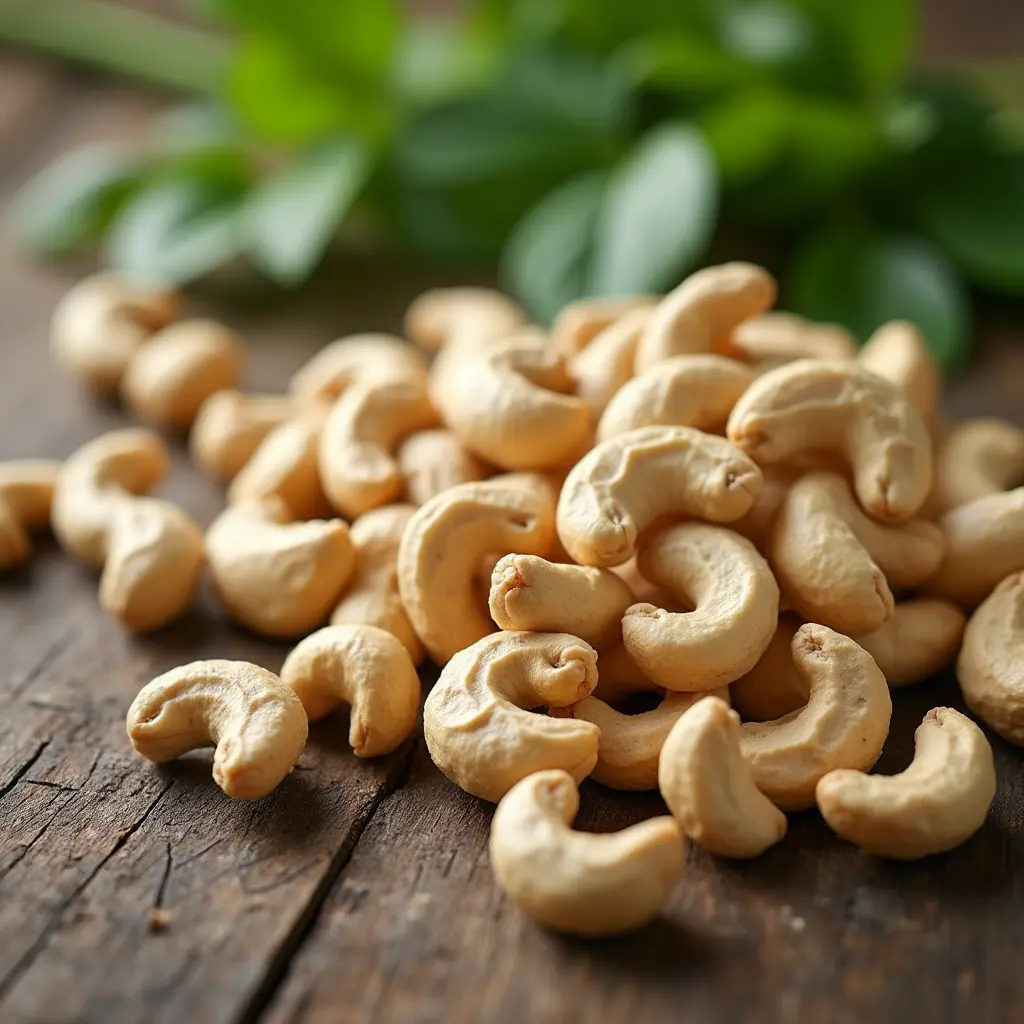
Cashews are kidney-shaped seeds that come from the cashew tree (Anacardium occidentale), a tropical evergreen native to Brazil. Although often referred to as nuts, cashews are actually seeds that grow at the base of the cashew apple, a fruit produced by the tree. Cashews are prized for their creamy texture and rich flavor, making them a versatile ingredient in both sweet and savory dishes. They are commonly eaten raw, roasted, or used in products like cashew butter and cashew milk. In addition to their delicious taste, cashews are packed with essential nutrients, such as healthy fats, protein, vitamins, and minerals, making them a popular snack choice with numerous health benefits.
What Are the Top Health Benefits of Cashews?
Let’s explore the top health benefits of cashews and discover why adding them to your diet is a smart choice:
1. Produces More Red Blood Cells
Cashews are a rich source of copper, a mineral essential for the production of red blood cells (RBCs). RBCs transport oxygen from your lungs to other parts of your body, allowing your organs to function optimally. Copper also aids in the metabolism of iron, another crucial component in RBC production. A deficiency in copper can lead to anemia, irregular heartbeat, and osteoporosis. By incorporating cashews into your diet, you enhance your body’s ability to produce healthy red blood cells, reducing the risk of these conditions and improving overall blood circulation.
2. Reduces the Risk of Anemia
Anemia often stems from iron deficiency, and cashews offer a potent combination of both iron and copper, making them a key player in maintaining optimal blood health. Iron is necessary for hemoglobin production, the protein in red blood cells that carries oxygen. Copper assists the body in utilizing iron more efficiently. Including cashews in your diet ensures your body gets the iron and copper needed to prevent anemia, boosting your energy levels and keeping your circulatory system functioning smoothly.
3. Controls Blood Sugar Levels
Cashews have a low glycemic index, meaning they don’t cause rapid spikes in blood sugar levels, making them an ideal snack for people with diabetes or those aiming to manage their blood sugar. Magnesium, present in cashews, plays a critical role in regulating insulin response and improving glucose metabolism. A magnesium deficiency can lead to poor insulin sensitivity, resulting in uncontrolled blood sugar levels. Eating cashews regularly can help prevent insulin resistance, balance blood sugar levels, and reduce the risk of developing type 2 diabetes.
4. Strengthens Bones
Cashews are packed with minerals such as magnesium, phosphorus, and copper, all of which are vital for maintaining bone health. Magnesium, stored primarily in the bones, helps maintain their strength and structure. Copper, on the other hand, aids in collagen formation, a protein that provides a structural framework for bones. By incorporating cashews into your diet, you support bone mineral density and reduce the risk of osteoporosis and bone fractures, especially as you age.
5. Boosts Heart Health
Cashews contain heart-friendly fats, primarily unsaturated fatty acids, which help lower harmful LDL cholesterol while boosting beneficial HDL cholesterol. These fats, along with the protein, fiber, and antioxidants in cashews, help reduce inflammation in the blood vessels, lowering the risk of heart disease. Studies suggest that regular consumption of cashews can reduce the likelihood of strokes and heart attacks, making them an excellent addition to a heart-healthy diet.
6. Enhances Immune System
The zinc content in cashews plays a crucial role in the development and function of immune cells. Zinc promotes the production of antioxidant enzymes that help fight free radicals, reducing oxidative stress. Moreover, zinc helps the immune system respond effectively to infections. A single ounce of cashews provides a significant portion of your daily zinc needs, making them a powerful immune-boosting snack.
7. Boosts Brain Function
Cashews provide essential fatty acids that support brain health by improving memory and cognitive function. These fats, along with magnesium, zinc, and vitamin E, help protect brain cells from oxidative damage, which is associated with neurodegenerative diseases like Alzheimer’s. Regular consumption of cashews can enhance brain function, improve focus, and even help reduce the risk of mental decline as you age.
8. Protects Eye Health
Cashews contain antioxidants such as lutein and zeaxanthin, which are directly absorbed by the retina. These antioxidants form a protective layer that shields the eyes from harmful UV rays and oxidative damage. By consuming cashews, you can help prevent age-related macular degeneration, a leading cause of blindness in older adults, while also improving overall eye health.
9. Promotes Weight Loss
Though cashews are calorie-dense, they can support weight loss due to their high fiber content and healthy fats. Fiber promotes satiety, making you feel full for longer, while the healthy fats help regulate metabolism. Consuming cashews in moderation can reduce the likelihood of overeating and support sustainable weight management when paired with a balanced diet.
10. Reduces the Risk of Gallstones
Cashews are rich in unsaturated fats, fiber, and other minerals that may reduce the risk of gallstone formation. Studies have shown that individuals who consume nuts like cashews regularly are less likely to develop gallstones. The nutrients in cashews help regulate bile production, which can prevent the buildup of cholesterol that leads to gallstone formation, improving overall digestive health.
11. Provides Long-lasting Energy
Cashews are a powerhouse of energy due to their healthy fats, complex carbohydrates, and proteins. The fats in cashews are predominantly unsaturated, providing a slow and steady release of energy, while the fiber helps maintain stable blood sugar levels. This combination of nutrients helps prevent energy crashes and keeps you feeling energized throughout the day, making cashews a perfect snack for sustained energy.
12. Improves Skin and Hair Health
Cashews are rich in selenium, zinc, magnesium, and antioxidants that nourish both your skin and hair. Selenium and zinc promote collagen production, which helps maintain the skin’s elasticity and prevent wrinkles. The copper content in cashews also stimulates melanin production, which helps keep your hair vibrant and prevents premature graying. Incorporating cashews into your diet can improve your complexion and boost hair health, resulting in shinier, stronger strands.
13. Lowers Blood Pressure
The magnesium and potassium found in cashews help lower blood pressure by relaxing blood vessels and improving circulation. These minerals also help balance sodium levels in the body, which is crucial for maintaining healthy blood pressure. By including cashews in your diet, you can reduce the risk of hypertension and improve overall cardiovascular health.
14. Relieves Headaches and Migraines
Cashews contain phytosterols, which have anti-inflammatory properties that can reduce the severity and duration of headaches and migraines. In addition, the magnesium in cashews helps regulate blood flow and reduce the risk of blood sugar fluctuations, which can trigger headaches. For those who suffer from frequent migraines, incorporating cashews into the diet can provide a natural remedy to ease the pain.
15. Supports Healthy Gums, Teeth, and Fights Oral Bacteria
Chewing cashews can promote oral health by stimulating saliva production, which helps neutralize harmful bacteria in the mouth. Cashews are also rich in calcium, magnesium, and phosphorus, minerals that are essential for strong teeth and gums. Regular consumption of cashews can protect your gums from infections and reduce the risk of tooth decay.
16. Promotes Relaxation
Cashews are packed with magnesium, an essential mineral that helps relax muscles and nerves. Magnesium also plays a role in the production of serotonin, a neurotransmitter that regulates mood and promotes a sense of calm. Consuming cashews can help alleviate stress, improve mood, and promote better sleep quality.
17. May Prevent Cancer
Cashews contain antioxidants such as selenium, which neutralize free radicals and prevent oxidative damage to cells. This protective effect reduces the risk of cancer development, particularly breast cancer. Incorporating cashews into your diet can offer a natural way to support your body’s defenses against cancerous cell growth.
18. Cashews as a Healthy Milk Substitute
Cashews can be easily transformed into a creamy, dairy-free milk substitute by soaking and blending them. Cashew milk is packed with the same nutrients as whole cashews, making it a nutritious alternative to cow’s milk. It’s perfect for those who are lactose intolerant or looking for a plant-based milk option. Cashew milk can also be flavored with natural sweeteners or spices, offering versatility and health benefits.
19. Prevents Blood Diseases
Cashews help prevent blood diseases by providing a rich source of copper, which eliminates free radicals from the body. Copper is also essential for iron absorption, making it crucial for preventing blood disorders like anemia. Regular consumption of cashews ensures optimal copper intake, supporting overall blood health.
20. Boosts Eye Health with Antioxidants and Omega-3s
Cashews are loaded with omega-3 fatty acids and antioxidants like lutein and zeaxanthin, which are known for protecting eye health. Omega-3s help reduce inflammation in the eyes, while the antioxidants protect against UV light and oxidative damage. These nutrients play a significant role in preventing age-related macular degeneration and improving overall vision.
21. Promotes Healthy Bone Density with Copper
Cashews provide a substantial amount of copper, which is vital for maintaining bone density and preventing osteoporosis. Copper aids in collagen production and bone mineralization, ensuring strong and healthy bones. Including cashews in your diet can help reduce the risk of bone loss and fractures, especially as you age.
Are Almonds or Cashews Better?
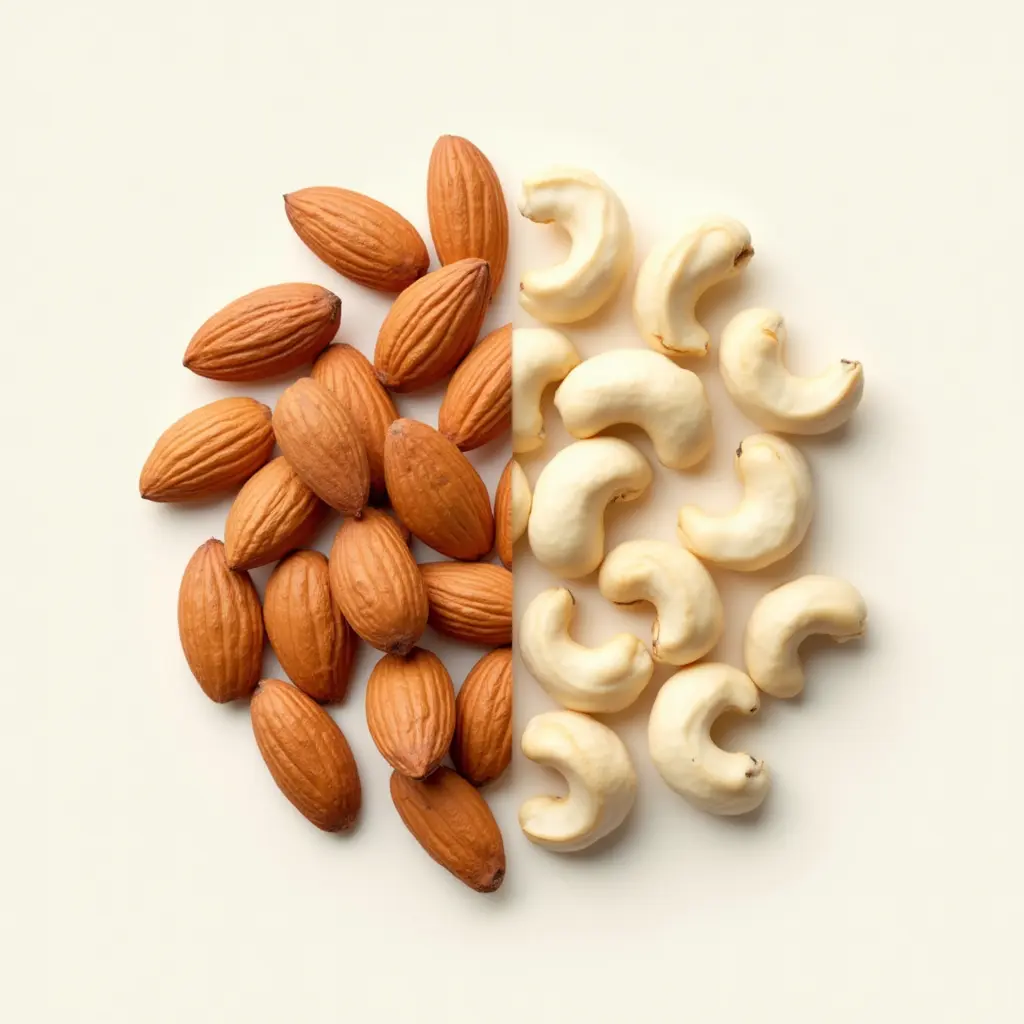
Both almonds and cashews offer unique health benefits, so choosing between the two depends on your health goals. The health benefits of almonds include higher fiber and vitamin E content, making them excellent for heart health and supporting glowing skin. On the other hand, cashews provide more copper, which supports red blood cell production and brain function. Cashews are also rich in healthy fats, boosting energy levels and aiding in weight management. Ideally, a balanced diet that includes both nuts allows you to enjoy the wide range of nutrients they offer.
Are Walnuts or Cashews Better?
Choosing between walnuts and cashews depends on your specific health goals, as both nuts offer unique benefits. The health benefits of walnuts primarily come from their rich content of omega-3 fatty acids, which are excellent for brain health, reducing inflammation, and supporting heart health. Walnuts are also high in antioxidants, making them a great choice for protecting cells from damage. On the other hand, cashews are a fantastic source of copper, magnesium, and healthy fats, supporting energy levels, red blood cell production, and bone strength. Cashews also provide a satisfying, creamy texture that makes them perfect for snacking and cooking.
Ultimately, the best option depends on your individual needs. If you’re looking for brain support and heart health, walnuts may be ideal. For energy, bone strength, and overall nutrient balance, cashews are an excellent choice. Including both in your diet ensures a broad spectrum of health benefits.
What Is the Best Time of Day to Eat Cashews?
The best time to eat cashews depends on your nutritional goals. If you want to boost energy and stabilize blood sugar levels, consuming cashews in the morning or as a midday snack is ideal. Their combination of healthy fats, protein, and fiber helps keep you full longer, making them a perfect snack for sustained energy throughout the day. On the other hand, eating cashews in the evening or at night can promote relaxation due to their magnesium content, which helps relax muscles and improve sleep quality.
Why Do Men Eat Cashews?
Men often incorporate cashews into their diets due to their significant health benefits. Cashews are rich in healthy fats, which can support testosterone production, and magnesium, which plays a role in muscle function and recovery after exercise. Additionally, the high copper content in cashews promotes strong bones and cardiovascular health, making them an excellent choice for men who want to maintain their overall vitality and well-being.
What Happens if We Eat Cashews at Night?
Eating cashews at night can promote better sleep. Cashews contain magnesium, which helps relax the muscles and calm the nervous system, promoting restful sleep. They also contain an amino acid that acts as a precursor to melatonin, the sleep hormone. So, snacking on cashews before bed can help you unwind and improve sleep quality. However, it’s best to eat them in moderation to avoid consuming too many calories before bedtime.
Is It Healthy to Eat Cashews Every Day?
Yes, eating cashews every day can be part of a healthy diet. Cashews are packed with nutrients like healthy fats, protein, magnesium, and copper, which provide a range of benefits from heart health to better brain function. Consuming them daily in moderation can help you maintain stable blood sugar levels, support muscle and bone health, and even aid in weight management. However, portion control is key, as cashews are calorie-dense and can contribute to weight gain if eaten in excess.
Can I Eat Raw Cashews?
You can eat raw cashews, but it’s important to note that what is often sold as “raw” cashews in stores is actually steam-treated to remove urushiol, a toxic substance also found in poison ivy. Truly raw cashews contain this toxin and should not be consumed without proper preparation. The “raw” cashews available in stores are safe to eat and retain most of their nutrients.
Are There Any Negative Effects to Cashews?
While cashews offer numerous health benefits, they can have some negative effects if consumed in excess. Overeating cashews can lead to weight gain due to their high-calorie content. Additionally, cashews contain oxalates, which may contribute to kidney stone formation in individuals prone to this condition. Some people may also experience allergic reactions to cashews, ranging from mild to severe, including life-threatening anaphylactic shock.
Conclusion: Unlock the Health Benefits of Cashews
Cashews are more than just a delicious snack. With their impressive range of nutrients, they offer powerful benefits for your heart, brain, skin, and more. By incorporating cashews into your diet, you can boost your energy, support your immune system, and even aid in weight management. Whether you’re looking to improve heart health, maintain strong bones, or enhance your skin’s appearance, the health benefits of cashews make them a versatile and valuable addition to any balanced diet.
To further enrich your diet, consider adding nutrient-packed foods like mangoes and Brazil nuts. The benefits of mangoes include enhanced skin health, improved digestion, and a boost of vitamin C, while the benefits of Brazil nuts include selenium-rich support for thyroid function and immune system health.
Moderation is key when it comes to cashew consumption. Including cashews in a balanced diet is generally healthy, but it’s important not to overindulge. If you have specific dietary concerns or underlying health conditions, it’s always best to consult with a healthcare professional to determine the right amount for your individual needs.

Want more health tips?
Want to save these health tips? Enter your email below and get more health tips delivered to your inbox weekly!