


Exploring the incredible health benefits of peanut butter reveals why this nutritious spread deserves a permanent place in your pantry. There’s something incredibly satisfying about the rich, creamy texture and distinctive flavor of peanut butter as it spreads across a slice of warm toast. But did you know this beloved staple offers far more than just delicious taste? Peanut butter is actually a nutritional powerhouse packed with proteins, healthy fats, vitamins, and minerals that can significantly boost your overall health.
Originally cultivated in South America, peanuts have evolved from humble beginnings to become a versatile ingredient that fits perfectly into various diets and lifestyles. Whether you’re an athlete looking to build muscle, someone managing their weight, or simply a health-conscious individual, the health benefits of peanut butter make it an excellent addition to your daily meals.
In this article, we’ll explore the impressive array of health benefits of peanut butter and discover how incorporating just a couple of tablespoons into your daily diet can enhance everything from heart health to brain function. Read on to learn why this creamy (or crunchy!) delight deserves a permanent spot in your kitchen.
10 Impressive Health Benefits of Peanut Butter For Optimal Wellness
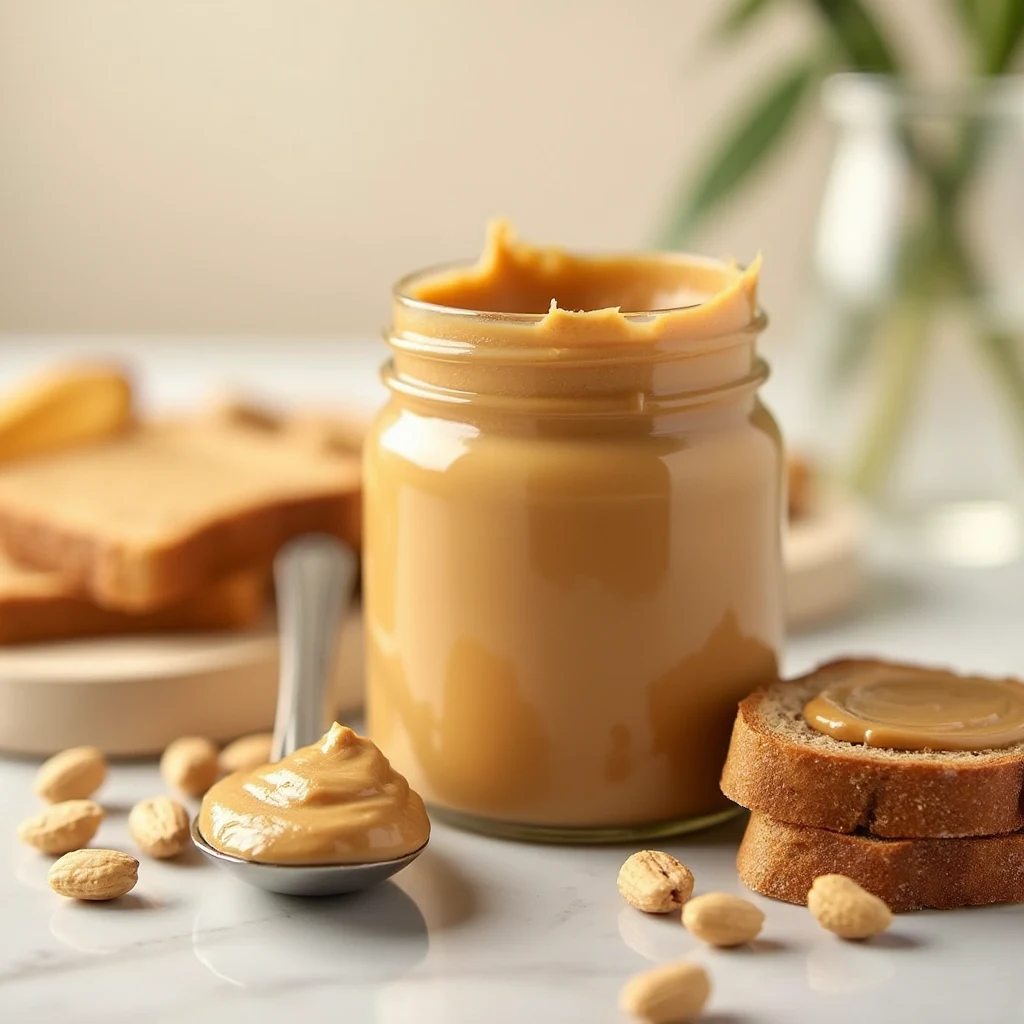
1. Heart-Healthy Fats: Cardiovascular Advantages
One of the most significant health benefits of peanut butter is its impressive profile of heart-healthy fats. Contrary to outdated nutritional beliefs, the monounsaturated and polyunsaturated fats found in peanut butter play a crucial role in maintaining cardiovascular health by helping control cholesterol levels.
These healthy fats help reduce levels of “bad” LDL cholesterol while maintaining or even increasing “good” HDL cholesterol levels. This balance is essential for preventing plaque buildup in the arteries that can lead to heart disease and stroke.
Peanut butter also contains omega-6 fatty acids, which support various bodily functions including:
- Brain function and development
- Promoting healthy skin and hair growth
- Maintaining bone health
- Regulating metabolism
- Supporting reproductive health
Research confirms these benefits are more than theoretical. A study involving approximately 6,300 women with type 2 diabetes found that consuming at least five servings of nuts or peanut butter weekly (about 28g of nuts or 16g of peanut butter per serving) was associated with a significantly lower risk of heart disease and improved lipid profiles.
2. Protein Powerhouse: Peanut Butter Benefits for Muscle Development
Looking for a plant-based protein source? The health benefits of peanut butter include an impressive protein content of about 8 grams per 2-tablespoon serving, making it an excellent choice for supporting muscle growth and repair.
When consumed, protein breaks down into amino acids that your body uses to repair and build muscle tissue through a process called muscle protein synthesis. This is particularly important after exercise when muscles need protein to recover and grow stronger.
The protein benefits of peanut butter aren’t just theoretical. A clinical study involving approximately 40 older adults demonstrated the power of peanut protein supplementation. Participants who consumed 30g of peanut protein powder daily while following a resistance training program showed significant increases in:
- Muscle thickness
- Knee flexion strength
- Overall muscle hypertrophy
These results suggest that the protein in peanuts and peanut butter, combined with regular exercise, can effectively enhance muscle development and strength—a particularly valuable health benefit for older adults who naturally lose muscle mass with age.
3. Weight Management: Natural Appetite Control
Despite its calorie-dense nature, peanut butter offers surprising health benefits for weight management. The combination of protein and healthy fats in peanut butter creates a powerful satiating effect that helps control hunger and reduces the likelihood of overeating.
When you consume peanut butter, those satisfying nutrients signal fullness to your brain, potentially decreasing your overall calorie intake throughout the day. This is particularly effective when replacing less nutritious snacks with a moderate portion of peanut butter.
Additionally, the energy provided by peanut butter can fuel your workouts, potentially enhancing performance and endurance, which helps burn more calories during exercise.
Research supports these weight management benefits of peanut butter. A 30-week crossover study involving 15 healthy adults found that adding 505 calories daily through peanut consumption increased resting energy expenditure by 11% after 19 weeks. Despite being energy-dense, peanuts demonstrated high satiety value, leading to strong dietary compensation and minimal impact on energy balance.
4. Digestive Health Promotion: Peanut Butter’s Fiber Benefits
Among the lesser-known health benefits of peanut butter is its positive impact on digestive health. Peanut butter contains both soluble and insoluble fiber, each playing distinct roles in maintaining a healthy digestive system.
The insoluble fiber in peanut butter adds bulk to stool, promoting regular bowel movements and preventing constipation. This type of fiber doesn’t dissolve in water, instead adding mass to the digestive tract and facilitating the movement of food and waste through the gut.
Meanwhile, soluble fiber acts as a prebiotic, feeding the beneficial bacteria in your gut microbiome. These helpful bacteria ferment the soluble fiber, producing short-chain fatty acids that support gut health, proper digestion, nutrient absorption, and immune function.
Peanut butter is also a good source of niacin (vitamin B3), providing up to 75% of the recommended daily allowance in a 100g serving. Niacin is essential for proper digestive system functioning, in addition to supporting skin health, nerve function, and energy conversion.
5. Antioxidant Properties: Fighting Inflammation
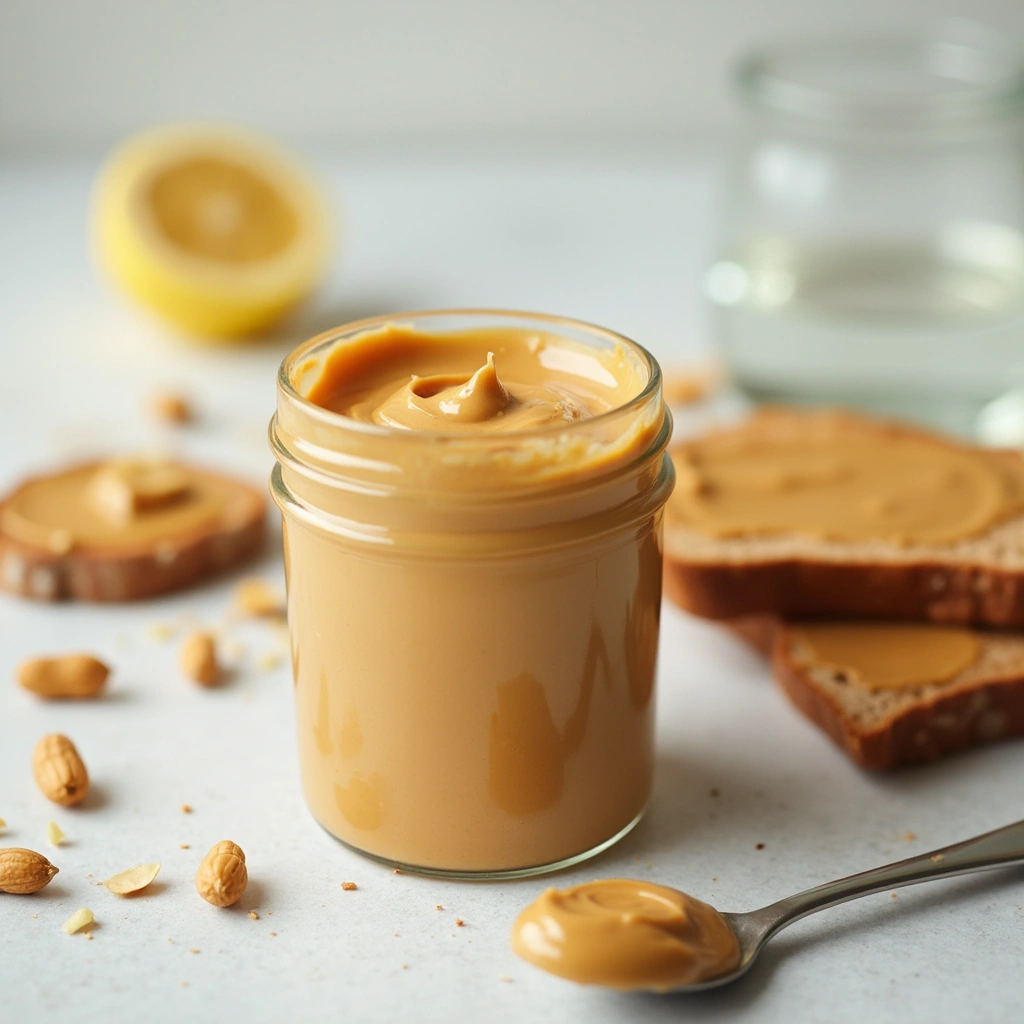
The health benefits of peanut butter extend to its impressive antioxidant content. Peanut butter contains several powerful antioxidants, including vitamin E, p-coumaric acid, and resveratrol (the same compound found in red wine).
These antioxidants help neutralize free radicals—unstable molecules that cause oxidative stress and cellular damage. Chronic oxidative stress is linked to numerous health conditions, including heart disease, cancer, and neurodegenerative disorders. By combating these harmful molecules, the antioxidants in peanut butter help reduce inflammation and protect cellular health.
Research indicates that peanut skins are particularly rich in polyphenols with antioxidant and anti-inflammatory properties. While these skins are often removed in commercial processing, choosing minimally processed peanut butter varieties may provide greater antioxidant benefits.
6. Blood Sugar Regulation: Glycemic Control
For those concerned about blood sugar management, the health benefits of peanut butter include its positive effects on glucose control. Despite its slightly sweet taste, peanut butter has a low glycemic index, meaning it doesn’t cause significant spikes in blood sugar levels.
Several factors contribute to peanut butter’s blood sugar-friendly properties:
- Magnesium content: A single serving of peanuts (about 28 peanuts) provides 12% of the daily recommended magnesium intake. This mineral is essential for insulin production by the pancreas, which regulates blood sugar levels.
- Low glycemic index: Foods with a low GI are digested and absorbed more slowly, leading to a gradual rise in glucose and insulin levels rather than dramatic spikes.
- Healthy fat and protein combination: This nutrient profile slows the absorption of carbohydrates, further stabilizing blood sugar levels.
Research supports these benefits. A study comparing the effects of a high-protein, nut-based snack bar to a high-carbohydrate cereal-based bar in adults with higher body weights and prediabetes found that the nut-based option led to significantly lower increases in blood sugar, especially when consumed with carbohydrate-rich foods like white bread.
7. Essential Potassium: Electrolyte Balance
Among the many health benefits of peanut butter is its potassium content. This essential electrolyte performs several critical functions in the body:
- Regulates fluid balance in and out of cells
- Maintains normal blood pressure by counteracting sodium’s effects
- Enables proper nerve transmission and muscle contractions
- Assists kidneys in filtering waste from the blood
Potassium’s role in blood pressure management is particularly noteworthy. It helps relax blood vessel walls and mitigate sodium’s effects, potentially lowering blood pressure and reducing the risk of heart disease and stroke.
While peanut butter isn’t the highest source of potassium, it provides a meaningful contribution to your daily intake. A 2-tablespoon serving of creamy peanut butter contains approximately 180mg of potassium (about 8-18% of the recommended dietary intake), while the same amount of crunchy peanut butter provides around 240mg.
8. Supports Bone Health: Peanut Butter’s Mineral Benefits for Strong Bones
Athletes and fitness enthusiasts often include peanut butter in their diets, and the bone health benefits of peanut butter may be one reason why. Peanut butter is a good source of magnesium, with 100g providing approximately 170mg—about 42% of the daily recommended value.
Magnesium is a key component of the bone matrix and plays several important roles in bone health:
- Contributes to the formation of bone crystals
- Regulates calcium levels within the body
- Aids in calcium absorption and metabolism
- Supports structural development and maintenance of bones
These functions lead to higher bone density and may reduce the risk of bone-related disorders like osteoporosis.
Research examining dietary patterns and bone health has found that diets rich in fruits, vegetables, nuts (including peanuts), and low-fat dairy positively affect bone mineral status and reduce fracture risk. The Mediterranean diet, which often includes nuts and nut butters, has shown particularly favorable effects on bone health.
9. Cognitive Function: Brain-Boosting Nutrients

The cognitive health benefits of peanut butter are increasingly recognized by researchers. Peanut butter contains several nutrients that support brain function and may protect against cognitive decline:
- Polyphenols: These compounds help fight neurodegenerative diseases and improve memory function.
- P-coumaric acid: This antioxidant targets neurotransmitters that regulate mood, stress, and anxiety, with effects similar to anxiety-reducing medications.
- Vitamin E: A powerful antioxidant that protects brain cells from damage.
- Thiamine (Vitamin B1): Essential for maintaining brain health and preventing cognitive decline.
- Niacin: Studies in older adults have associated higher niacin intake with slower cognitive decline and reduced risk of Alzheimer’s disease.
A clinical study assessed the impact of regular peanut product consumption on cognitive functions and stress responses in 63 healthy young adults over six months. The results showed significant improvements in immediate memory for consumers of skin-roasted peanuts and peanut butter, as well as reductions in anxiety and depression scores across all peanut product groups.
10. Gallstone Prevention: Supporting Digestive Health
Among the surprising health benefits of peanut butter is its potential protective effect against gallstones. Several components of peanut butter contribute to this benefit:
- Monounsaturated and polyunsaturated fats: These healthy fats may inhibit gallstone formation.
- Dietary fiber: Removes some constituents of gallstones and improves insulin sensitivity.
- Magnesium: May improve insulin sensitivity, further reducing gallstone development.
A large-scale study involving approximately 81,000 women examined the association between nut consumption and cholecystectomy (gallbladder removal) over a 20-year period. The findings revealed that women who consumed five or more units of nuts per week experienced a significant 25% reduction in their risk of requiring gallbladder removal compared to those who rarely ate nuts.
Who Should Be Cautious About Peanut Butter Consumption
Despite the numerous health benefits of peanut butter, it’s not suitable for everyone. Certain individuals should exercise caution or avoid peanut butter entirely:
- People with peanut allergies: The most obvious group, as consumption can trigger severe allergic reactions, including potentially life-threatening anaphylaxis.
- Those with tree nut allergies: Although peanuts are technically legumes, cross-reactivity is possible, and those with tree nut allergies are sometimes advised to avoid peanuts.
- People with high caloric intake concerns: Due to its calorie-dense nature, those closely monitoring calorie intake or trying to lose weight should consume peanut butter in moderation.
- Individuals with certain chronic diseases: People with conditions like pancreatitis or gallbladder disease may need to restrict high-fat foods like peanut butter.
- Those concerned about aflatoxins: Peanuts can sometimes contain a mold called aflatoxin, which has carcinogenic potential. Those concerned about this risk might limit or avoid peanut consumption.
- People with sodium restrictions: Some commercial peanut butters contain significant amounts of sodium. Individuals following low-sodium diets or managing high blood pressure should choose unsalted varieties.
Conclusion: Adding This Nutritious Spread To Your Diet
The health benefits of peanut butter extend far beyond its delicious taste. From supporting heart health and muscle growth to aiding digestion and brain function, this versatile spread deserves a place in a balanced diet. With its rich nutrient profile including protein, healthy fats, vitamins, and minerals, peanut butter offers impressive advantages for overall wellbeing when consumed in moderation.
For those looking to expand their repertoire of nutrient-dense foods, consider complementing the benefits of peanut butter with other nutritious options like almonds and avocados. Almonds offer similar protein benefits with additional vitamin E and calcium, while avocados provide complementary heart-healthy monounsaturated fats and potassium.
Remember that quality matters when selecting peanut butter. Opt for varieties with minimal ingredients, ideally just peanuts and perhaps a small amount of salt, to maximize the health benefits while avoiding unnecessary additives, oils, and sugars.
What’s your favorite way to enjoy the health benefits of peanut butter in your daily meals? Share your thoughts and recipes in the comments below!

Want more health tips?
Want to save these health tips? Enter your email below and get more health tips delivered to your inbox weekly!