

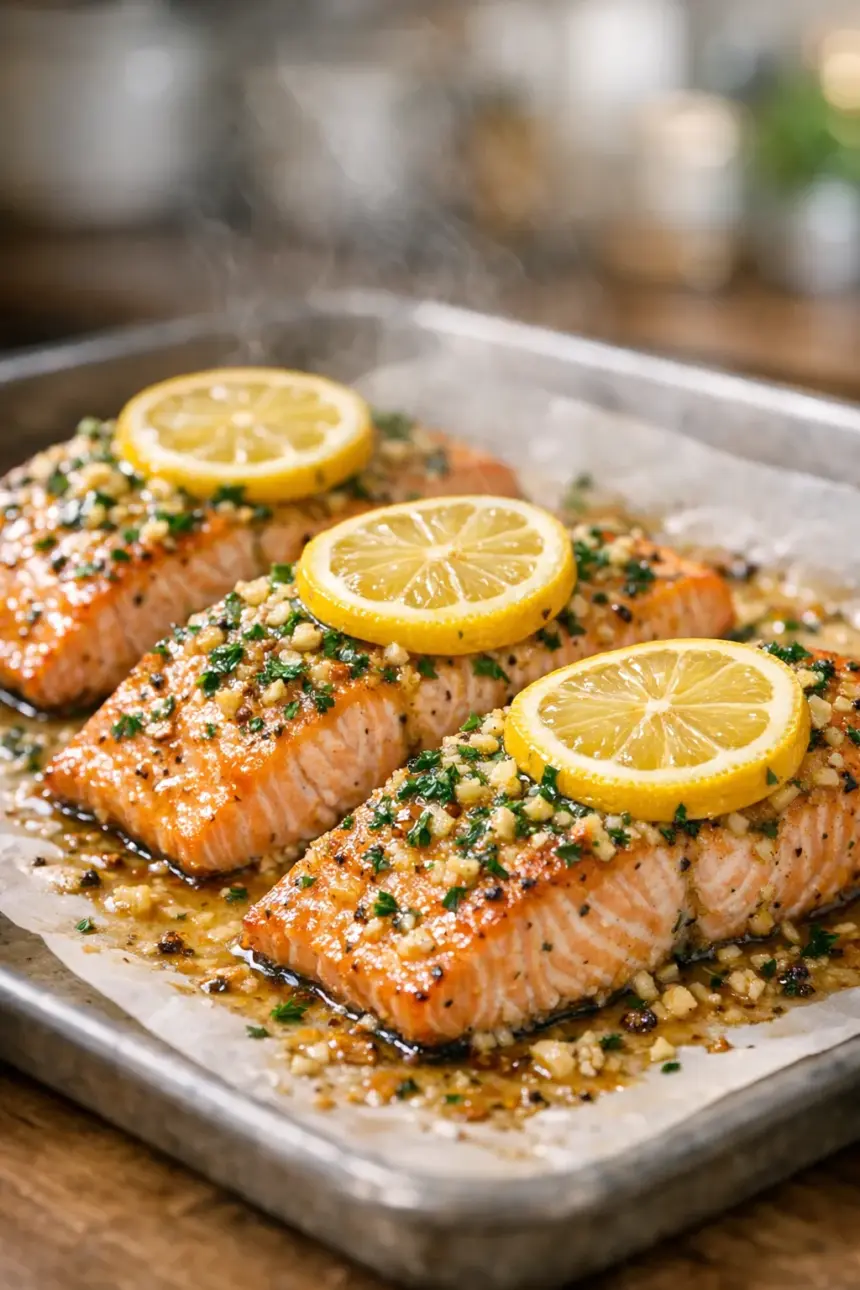
Did you know that the difference between dry, overcooked salmon and perfectly flaky, juicy fish comes down to just a few simple techniques? If you’ve ever struggled with baked salmon that turns out bland or rubbery, you’re not alone. This baked salmon recipe solves those problems with a bright, zesty marinade and a foolproof high-heat method that locks in moisture every single time. With over 1,000 five-star reviews and a spot in a published cookbook, this recipe delivers restaurant-quality results in just 20 minutes. You’ll discover how fresh lemon juice, garlic, and Dijon mustard create a flavor-packed glaze that requires no marinating time. Whether you’re a beginner or a seasoned cook, this straightforward approach guarantees tender, flavorful salmon that pairs beautifully with any side dish.
Ingredients for Baked Salmon
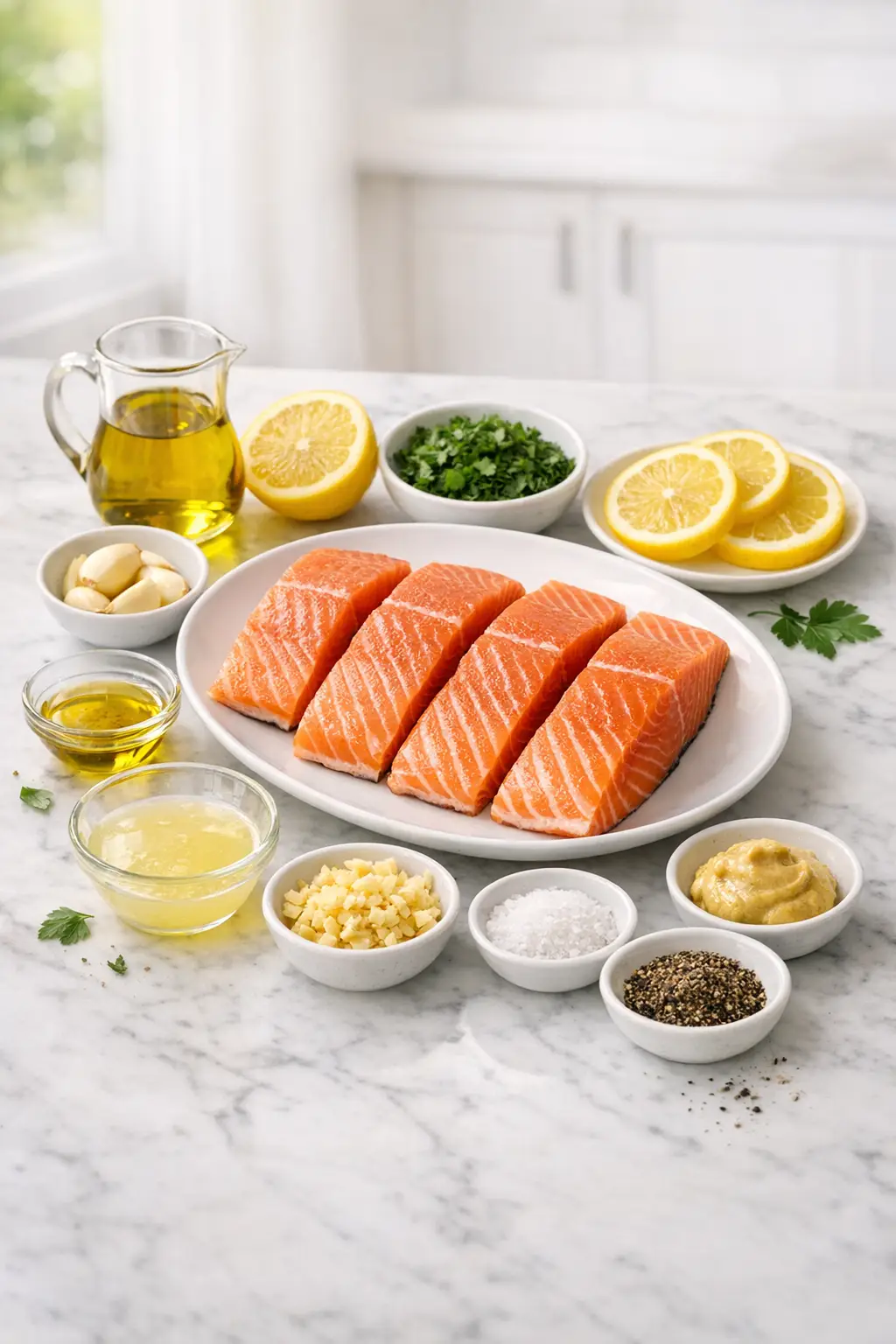
This recipe uses everyday ingredients that work together to create a vibrant, tangy glaze. The combination of fresh herbs, citrus, and mustard complements the natural richness of salmon without overpowering it.
- 1 1/2 lb salmon fillet (cut into 4 portions): Choose fillets with even thickness for consistent cooking. Skin-on or skinless both work well.
- 2 Tbsp fresh parsley, finely chopped: Adds a fresh, herbaceous note. Substitute with cilantro or dill if preferred.
- 2 Tbsp extra light olive oil: Helps the marinade coat evenly. Vegetable oil or avocado oil work as alternatives.
- 2 Tbsp fresh lemon juice: Always use freshly squeezed for the brightest flavor. Bottled juice lacks the same vibrancy.
- 3 garlic cloves, minced or pressed: Fresh garlic is essential. Pre-minced garlic from a jar won’t deliver the same punch.
- 1/2 Tbsp Dijon mustard: Adds tangy depth and helps the glaze stick to the salmon. Grey Poupon or any quality Dijon works.
- 1/2 tsp fine sea salt: Enhances all the flavors. Adjust to taste based on your preference.
- 1/8 tsp black pepper, freshly cracked: Adds subtle heat and complexity.
- 1/2 lemon, sliced into 4 rings: Optional garnish that looks beautiful and adds a hint of extra citrus during baking.
Step-by-Step Instructions for Baked Salmon
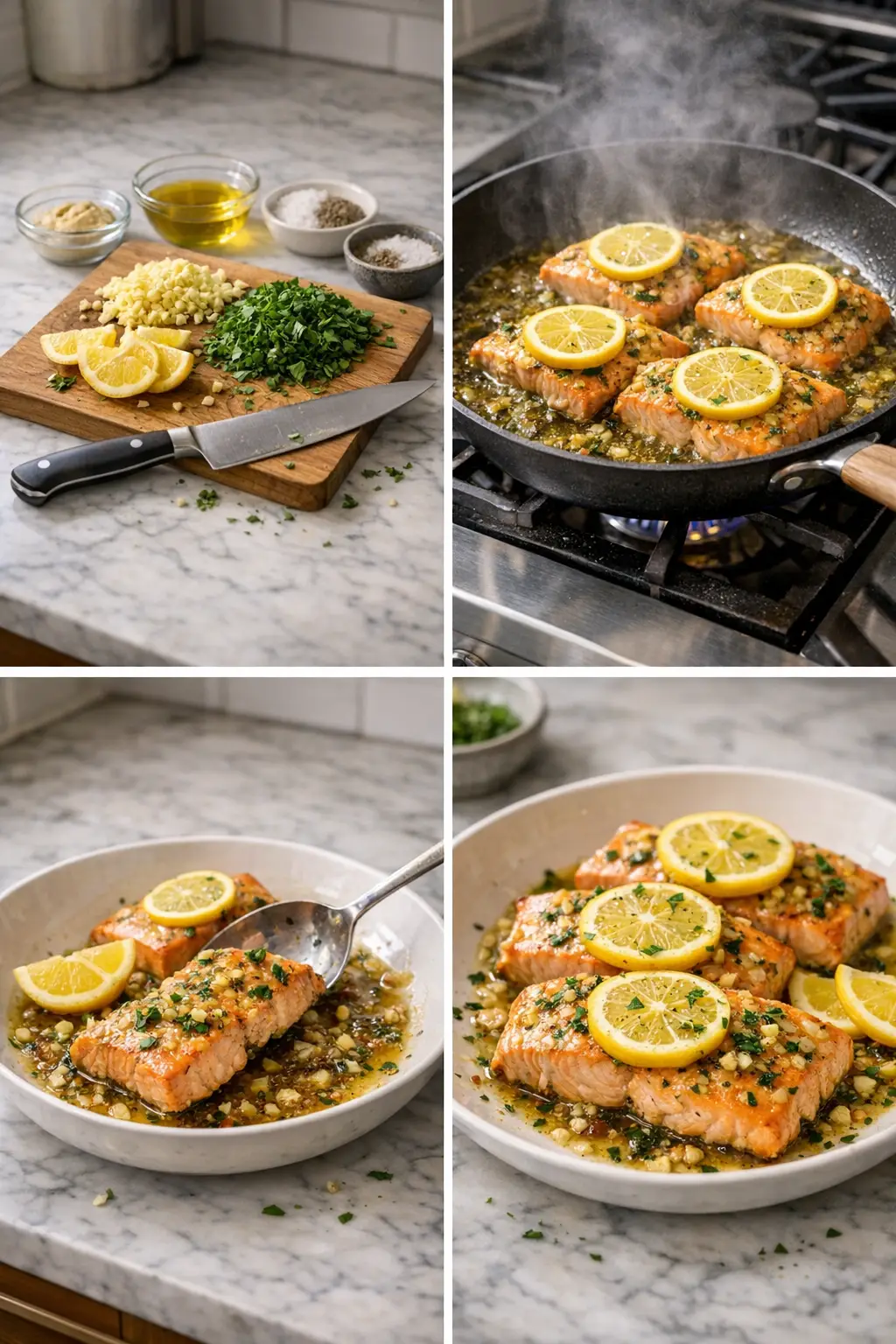
Step 1: Preheat Your Oven and Prepare the Baking Sheet
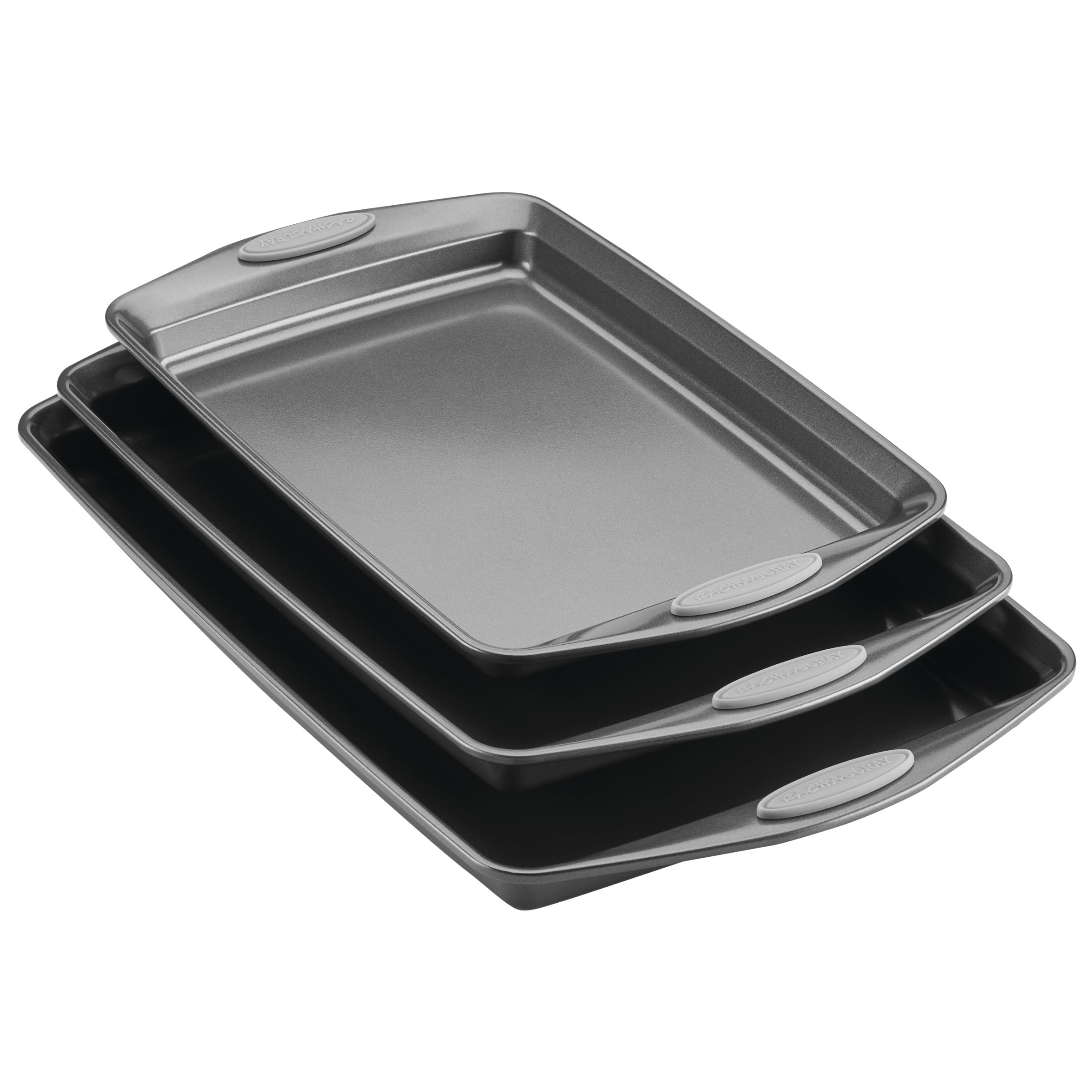
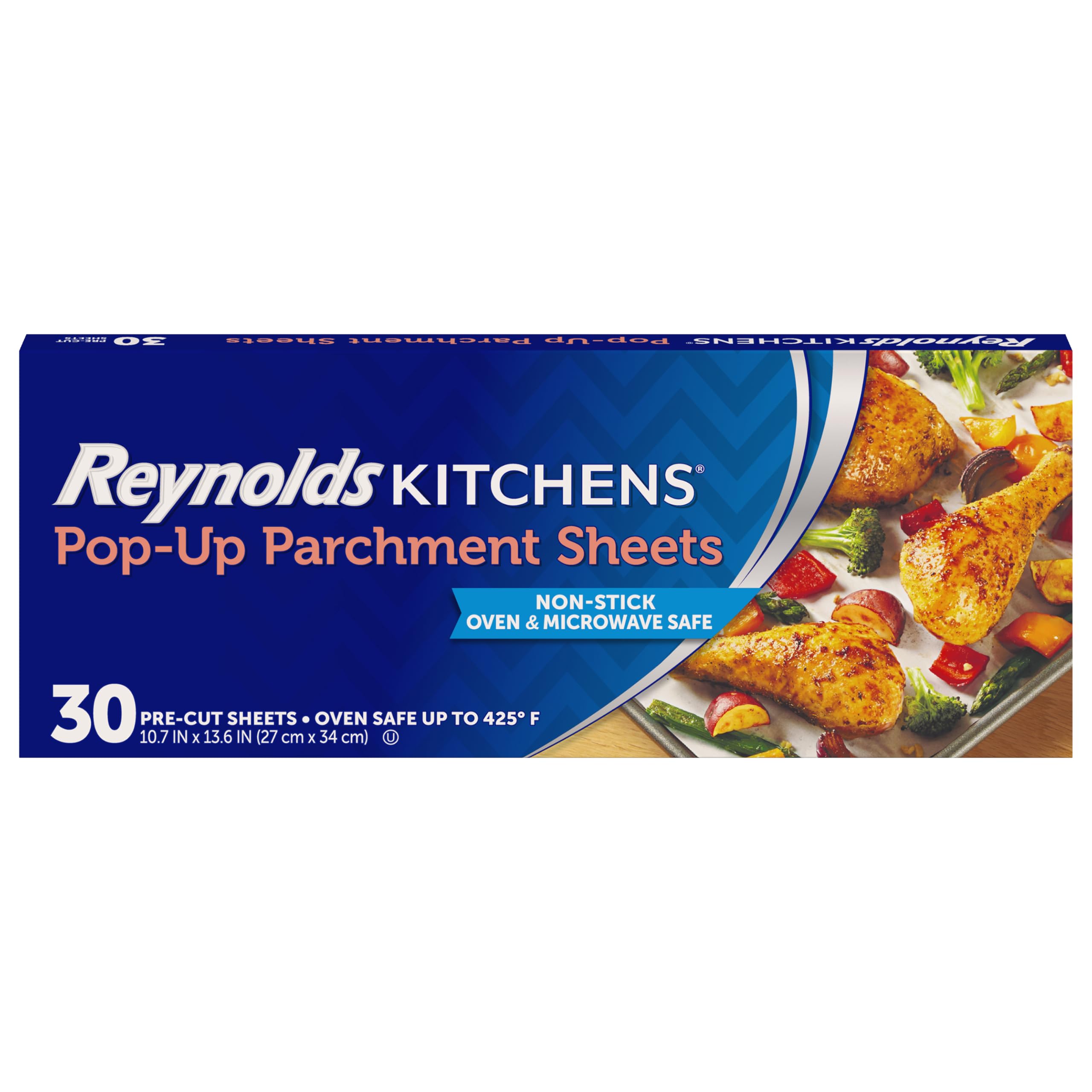
Start by preheating your oven to 450°F. This high temperature is key to achieving a beautifully caramelized exterior while keeping the inside tender and moist. Line a rimmed baking sheet with parchment paper, a silicone liner, or foil for easy cleanup. Arrange your salmon fillets on the prepared sheet, skin-side-down if your fillets have skin. Space them evenly so heat circulates around each piece.
Step 2: Make the Garlic and Dijon Marinade
In a small bowl, combine the finely chopped parsley, minced or pressed garlic, olive oil, fresh lemon juice, Dijon mustard, salt, and freshly cracked black pepper. Use a fork to stir everything together until well combined. The olive oil will carry the flavors of garlic and parsley throughout the glaze, while the lemon juice adds brightness and the mustard provides tangy richness. This marinade comes together in under two minutes and requires no advance prep.
Step 3: Brush the Marinade onto the Salmon
One of the best features of this recipe is that there’s no marinating time required. The acidity from the lemon juice can start to “cook” the salmon if left too long, so apply the glaze right before baking. Use a pastry brush or spoon to generously coat the top and sides of each fillet, ensuring every bite gets plenty of flavor. Top each piece with a thin lemon slice if desired. The lemon slices are mostly decorative but add a subtle extra citrus note and make the presentation restaurant-worthy.
Step 4: Bake the Salmon to Perfection
Place the baking sheet in your preheated oven and bake uncovered for 12 to 15 minutes. Cooking time depends on the thickness of your fillets. Thicker cuts may need the full 15 minutes, while thinner pieces can be done in 12. The salmon is ready when it flakes easily with a fork and reaches an internal temperature of 145°F at the thickest part. Use an instant-read thermometer to check, as this ensures you don’t overcook. Overcooked salmon becomes dry and loses its tender texture, so timing is everything. The high heat seals in the natural juices, resulting in ultra-flaky, moist fish.
Healthier Alternatives for Baked Salmon
This recipe is already a nutritious choice, packed with omega-3 fatty acids and lean protein. However, you can make a few simple swaps to suit specific dietary needs or preferences.
- Reduce sodium: Use low-sodium Dijon mustard and cut the salt in half, or omit it entirely if you’re watching salt intake.
- Lower fat content: Replace the olive oil with a light spray of cooking oil or reduce the amount to 1 tablespoon without compromising flavor.
- Add more vegetables: Arrange asparagus, green beans, or cherry tomatoes around the salmon on the baking sheet. They’ll roast alongside the fish and absorb the flavorful juices.
- Swap the sweetness: Add a teaspoon of honey or maple syrup to the marinade for a sweet and tangy variation that caramelizes beautifully.
- Herb variations: Substitute parsley with fresh dill, cilantro, or basil depending on your taste preferences and what pairs with your side dishes.
Serving Suggestions for Baked Salmon
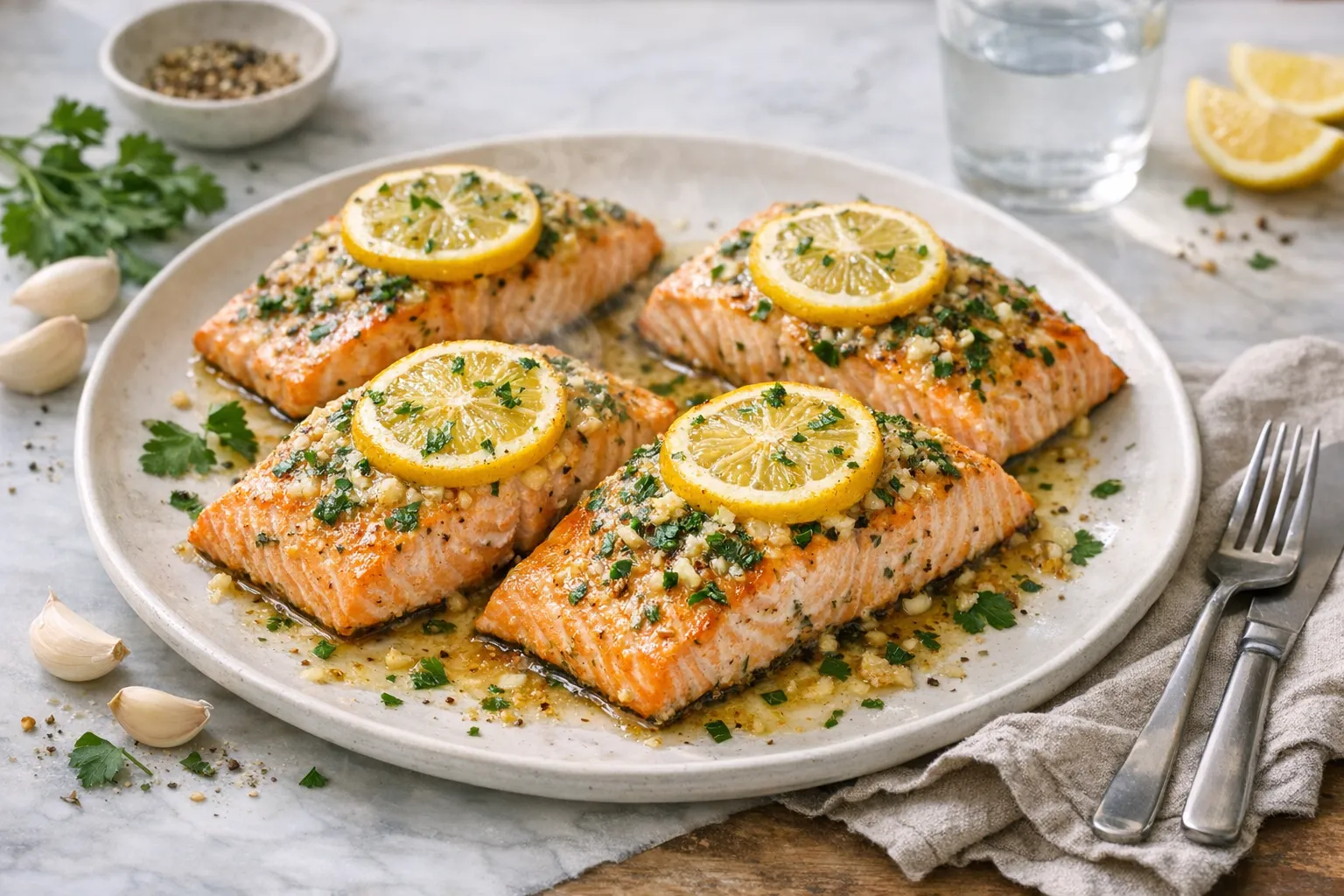
This versatile baked salmon pairs wonderfully with a variety of sides, making it perfect for weeknight dinners or special occasions.
- Over rice: Serve the salmon on a bed of fluffy white rice, brown rice, or cauliflower rice to soak up the flavorful juices.
- With mashed potatoes: Creamy mashed potatoes or roasted baby potatoes make a comforting, classic pairing.
- Alongside pasta: Toss the salmon with linguine, angel hair, or penne in a light lemon butter sauce for an elegant meal.
- With a fresh salad: Place the salmon over mixed greens, arugula, or spinach with a lemon vinaigrette for a light, healthy dinner.
- As a grain bowl: Flake the cooked salmon and add it to quinoa or farro bowls with roasted vegetables and a drizzle of tahini or yogurt sauce.
- With roasted vegetables: Serve with roasted broccoli, Brussels sprouts, or zucchini for a colorful, nutrient-dense plate.
Common Mistakes to Avoid When Making Baked Salmon
Even a simple recipe like this can go wrong if you overlook a few key details. Here are the most common pitfalls and how to avoid them.
- Overcooking the salmon: This is the number one mistake. Salmon continues to cook slightly after you remove it from the oven, so take it out as soon as it reaches 145°F. Overcooked salmon becomes dry and loses its delicate texture.
- Skipping the thermometer: Guessing doneness by eye alone is risky. An instant-read thermometer is the most reliable way to ensure perfectly cooked fish every time.
- Using bottled lemon juice: Fresh lemon juice makes a noticeable difference in flavor. Bottled juice tastes flat and lacks the vibrant acidity that makes this glaze shine.
- Marinating too long: The acidity in lemon juice can start to “cook” the salmon if left on for more than a few minutes. Brush the marinade on right before baking for the best results.
- Not brushing the sides: Make sure to coat the sides of the salmon, not just the top. This ensures every bite is flavorful and prevents dry edges.
- Crowding the baking sheet: Leave space between fillets so hot air can circulate evenly. Crowding leads to uneven cooking.
Storing Tips for Baked Salmon
Proper storage keeps your baked salmon fresh and ready for easy reheating or meal prep.
- Refrigeration: Store leftover salmon in an airtight container in the refrigerator for up to 3 days. Let it cool completely before sealing to prevent condensation.
- Freezing: While fresh salmon is best, you can freeze cooked salmon for up to 2 months. Wrap individual portions tightly in plastic wrap, then place in a freezer-safe bag or container. Thaw overnight in the refrigerator before reheating.
- Reheating: Reheat gently in a 275°F oven for about 10 minutes, or microwave on medium power in 30-second intervals. Avoid high heat, which can dry out the fish.
- Meal prep: This recipe is ideal for weekly meal prep. Cook a batch on Sunday and portion it into containers with your favorite grains and vegetables for quick lunches or dinners.
- Cold leftovers: Leftover salmon is delicious cold, making it perfect for salads, grain bowls, or wraps.
Conclusion
This baked salmon recipe proves that restaurant-quality meals don’t require complicated techniques or long ingredient lists. With just a handful of fresh ingredients and 20 minutes, you can create tender, flaky salmon bursting with bright lemon, savory garlic, and tangy Dijon flavor. The high-heat baking method locks in moisture, while the no-marinate glaze makes this one of the easiest and most reliable ways to prepare salmon. Whether you’re cooking for a busy weeknight dinner or impressing guests on the weekend, this recipe delivers consistent, delicious results every time. Try it once, and you’ll understand why it has earned over 1,000 five-star reviews and a place in a published cookbook. Grab your ingredients, preheat your oven, and get ready to enjoy the best baked salmon you’ve ever made.
Frequently Asked Questions
Can I use frozen salmon for this recipe?
Yes, but make sure to thaw it completely first. Place the frozen salmon in the refrigerator overnight or use the cold water method by sealing it in a bag and submerging it in cold water for about an hour. Pat the thawed salmon dry with paper towels before applying the marinade to ensure the glaze sticks properly.
What if I don’t have Dijon mustard?
You can substitute with whole grain mustard or yellow mustard, though the flavor will be slightly different. Dijon adds a smooth, tangy depth that complements the lemon and garlic beautifully, so it’s worth keeping on hand for this recipe.
How do I know when the salmon is done without a thermometer?
The salmon should flake easily with a fork and appear opaque throughout. Press gently on the thickest part with a fork, if it separates into flakes and the center is no longer translucent, it’s done. However, a thermometer is the most reliable method to avoid overcooking.
Can I make this recipe with skin-on salmon?
Absolutely. Place the salmon skin-side-down on the baking sheet and brush the marinade on the flesh side. The skin helps protect the fish and keeps it moist during baking. After cooking, you can easily remove the skin if you prefer not to eat it.
What’s the best way to prevent the salmon from sticking to the baking sheet?
Line your baking sheet with parchment paper, a silicone baking mat, or lightly greased foil. These liners create a non-stick surface and make cleanup effortless. Avoid placing salmon directly on an unlined metal pan, as it can stick and tear when you try to remove it.
Can I double this recipe for a larger group?
Yes, simply double all the ingredients and use two baking sheets if needed. Make sure the salmon fillets are arranged in a single layer with space between them for even cooking. You may need to rotate the pans halfway through baking if your oven has hot spots.
Is it okay to skip the lemon slices on top?
Absolutely. The lemon slices are mostly decorative and add only a subtle hint of extra citrus flavor. The marinade already contains plenty of lemon juice, so skipping the slices won’t affect the taste significantly.
Tools You’ll Need
Essential Kitchen Tools
Everything you need to make cooking easier and more enjoyable


Must Try Recipes
- Dijon Baked Salmon
Another fast salmon option with bold Dijon flavor and simple prep. - Honey Garlic Salmon
Sweet-savory glaze when you want quick flavor without extra steps. - Lemon Garlic Asparagus
A speedy side that roasts or sautés while your salmon bakes. - Baked Chicken Breasts
Beginner-friendly, reliable oven method for another easy weeknight protein. - How To Pan Sear Fish
Quick fish technique guide for when you do not want to turn on the oven.

Want to save this recipe?
Want to save this recipe? Enter your email below, and we'll send it straight to your inbox. Plus, receive new recipes every week!

Quick Garlic Lemon Dijon Baked Salmon (No Marinating)
- Total Time: 20 minutes
Description
Juicy, flaky baked salmon with a bright garlic-lemon-Dijon glaze. It comes together fast with no marinating and bakes in about 15 minutes for an easy, dependable dinner.
Ingredients
- 1 1/2 lb salmon fillet (cut into 4 filets)
- 2 Tbsp fresh parsley (finely chopped)
- 2 Tbsp extra light olive oil (or vegetable oil)
- 2 Tbsp fresh lemon juice
- 3 garlic cloves (minced, pressed, or grated)
- 1/2 Tbsp Dijon mustard
- 1/2 tsp fine sea salt
- 1/8 tsp black pepper (freshly cracked)
- 1/2 lemon (sliced into 4 rings for garnish)
Instructions
- Preheat oven to 450°F and line a rimmed baking sheet with a silicone liner, parchment, or foil. Arrange salmon fillets on the prepared baking sheet, skin-side-down.
- In a small bowl, add the marinade ingredients: parsley, garlic, oil, lemon juice, Dijon mustard, salt and pepper. Stir to combine.
- Generously spread the marinade, brushing over the top and sides of the salmon then top each piece with a slice of lemon.*
- Bake uncovered at 450°F for 12-15 min or until just cooked through, flaky, and the salmon reaches an internal temperature of 145˚F at the thickest portion on an instant-read thermometer. Do not over-cook.
- Prep Time: 5 minutes
- Cook Time: 15 minutes
- Category: Main Course
- Cuisine: American
Nutrition
- Serving Size: 1 serving
- Calories: 314 kcal
- Sugar: 1 g
- Sodium: 388 mg
- Fat: 18 g
- Saturated Fat: 3 g
- Unsaturated Fat: 14 g
- Carbohydrates: 3 g
- Fiber: 1 g
- Protein: 34 g
- Cholesterol: 94 mg