



A perfect pot roast should reach an internal temperature between 202°F and 210°F. This high heat creates a fall-apart texture that stays incredibly juicy. This recipe transforms an affordable chuck roast into a steakhouse-quality masterpiece. The secret is a slow-simmered, wine-infused broth. This liquid develops deep flavor over four hours.
I first made this for 19 people on a cabin trip. They devoured every single bite! The aroma of caramelized beef and herbs filled the whole house. That day, I learned that proper searing is the key to success. A “low-and-slow” method then turns tough marbling into buttery tenderness.
Best of all, you only need 30 minutes of active prep time. The oven does all the heavy lifting for you. This dish always delivers, whether for a family Sunday or a formal dinner. Let’s get cooking!
Ingredients for the Ultimate Pot Roast
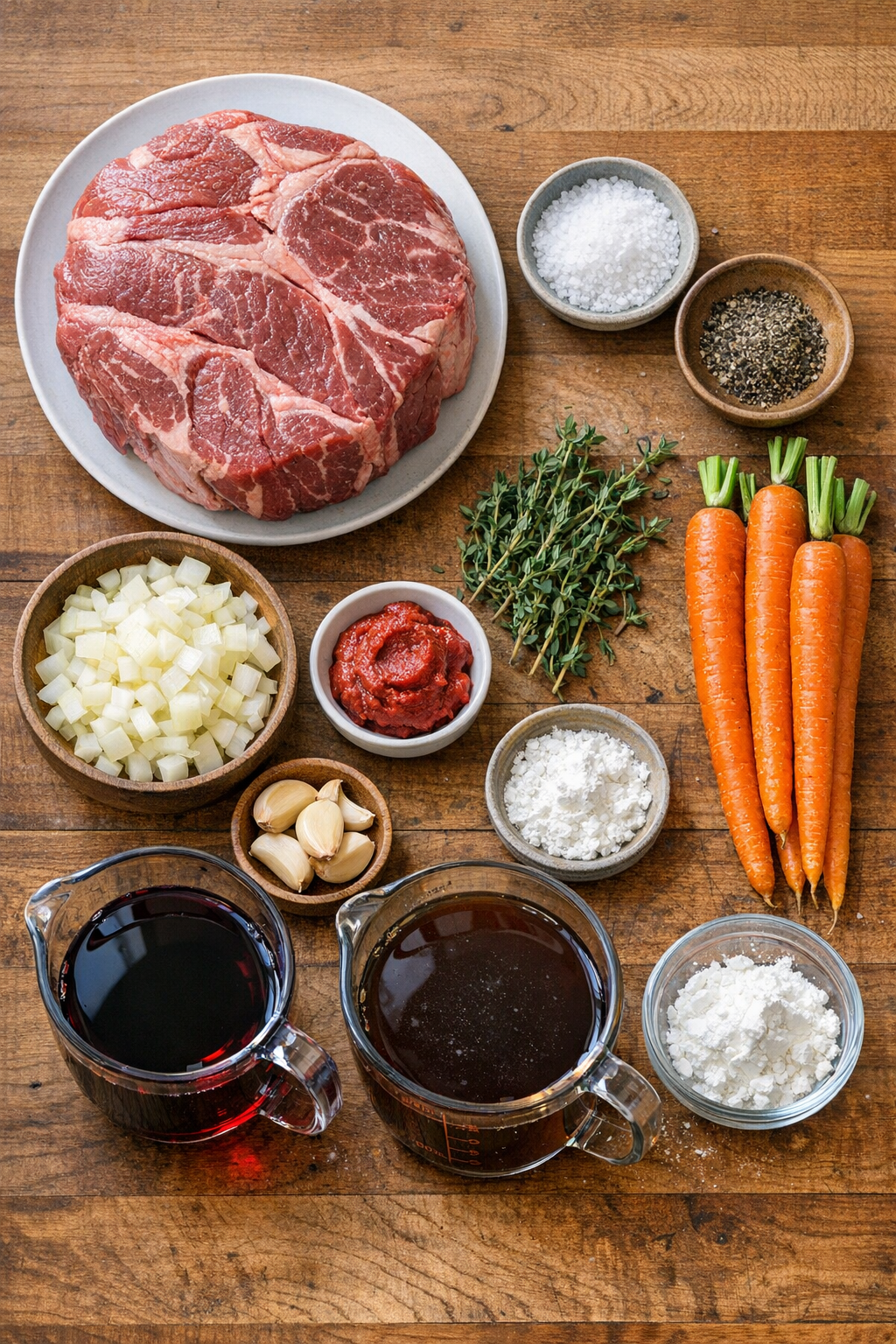
Gathering the right ingredients is crucial for achieving that perfect balance of tender meat and rich, flavorful sauce. This recipe serves 8 generously, making it ideal for family gatherings or meal prep for the week ahead.
For the Roast and Seasoning
- 4-5 lb beef chuck roast – Look for a cut with excellent marbling and fat content, which breaks down during cooking for maximum tenderness
- 4 tsp coarse kosher salt – Divided for seasoning the meat and sauce; kosher salt provides better coverage than table salt
- 1½ tsp freshly ground black pepper – Divided; fresh pepper delivers more aromatic flavor than pre-ground
- 1 Tbsp light olive oil – Or any high-heat cooking oil like avocado or vegetable oil for searing
Build the Aromatic Base and Sauce
- 1 large yellow onion – Coarsely chopped; or substitute with 2 smaller onions for sweetness and depth
- 4 garlic cloves – Coarsely chopped; no need for precision as they’ll melt into the sauce
- 3 Tbsp tomato paste – Adds umami richness and helps thicken the sauce naturally
- 1 cup dry red wine – Cabernet Sauvignon or Pinot Noir work beautifully; substitute with additional beef stock if needed
- 6 cups beef stock – Use good-quality stock for the best flavor foundation
Essential Vegetables and Herbs
- 5-6 whole carrots – Peeled and cut into 2-inch pieces; they help raise the liquid level and add natural sweetness
- 2 bay leaves – Remove before serving; they infuse subtle herbal notes
- 6 sprigs fresh thyme – Or 1 tsp dried thyme; leaves will naturally fall off the stems during cooking
- ½ cup fresh parsley – Coarsely chopped, plus more for garnish; adds brightness to the rich sauce
- 2 Tbsp cornstarch or flour – Optional for thickening the sauce into a luscious gravy
The beauty of this ingredient list lies in its simplicity and accessibility. Most items are pantry staples, and the chuck roast is typically more affordable than premium cuts while delivering equally impressive results when cooked properly.
Step-by-Step Instructions for Perfect Pot Roast
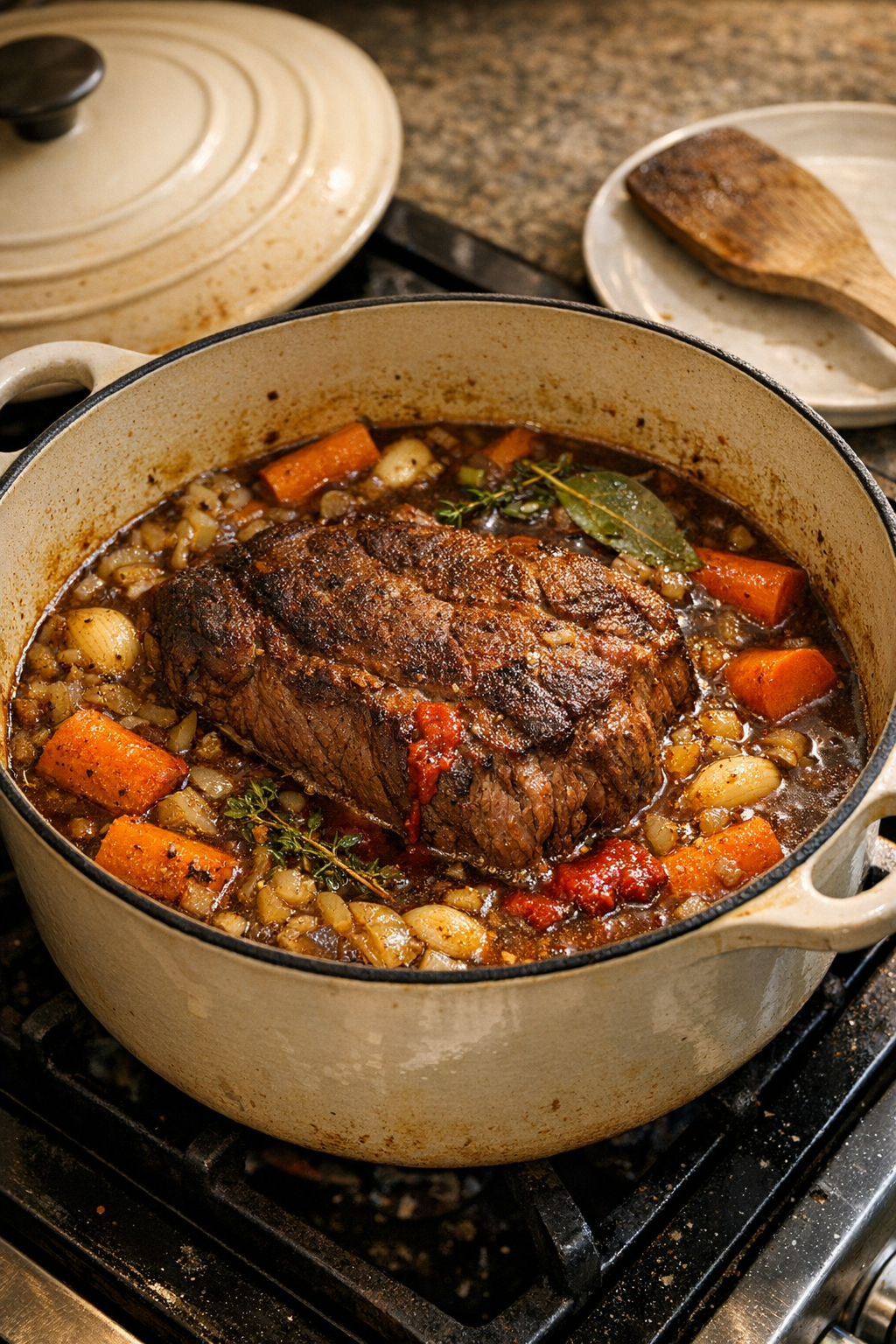
Follow these detailed steps to create a pot roast that’s tender, flavorful, and absolutely unforgettable. Each stage builds layers of flavor that come together beautifully in the final dish.
Step 1: Prepare and Season the Roast
Begin by generously seasoning your chuck roast with 3 teaspoons of kosher salt and 1 teaspoon of black pepper on all sides. This initial seasoning is critical because it penetrates the meat during the resting period. Leave the seasoned roast uncovered at room temperature for about 1 hour. This step ensures more even cooking throughout, as cold meat straight from the refrigerator will cook unevenly. While the meat rests, position your oven rack in the lower third and preheat to 325°F. Additionally, this is the perfect time to prep all your vegetables so everything is ready when you need it.
Step 2: Sear the Roast for Maximum Flavor
Heat 1 tablespoon of olive oil in a large Dutch oven (a 5½-quart works perfectly) over medium-high heat. Once the oil shimmers but hasn’t started smoking, carefully add your roast to the pot. Sear each side for approximately 3 minutes until a deep golden-brown crust forms. This caramelization process creates what’s known as the Maillard reaction, which develops hundreds of complex flavor compounds. Don’t rush this step—proper searing is what separates good pot roast from extraordinary pot roast. After all sides are beautifully browned, transfer the roast to a plate and set aside.
Step 3: Build the Aromatic Foundation
Reduce your heat to medium and add the coarsely chopped onions to the same pot, allowing them to cook in the flavorful drippings left from the meat. Sauté for 4-5 minutes, stirring occasionally, until the onions soften and turn golden. Next, add the chopped garlic and sauté for just 30 seconds until fragrant—be careful not to burn it. Then stir in the 3 tablespoons of tomato paste, cooking for about 2 minutes while stirring continuously. This technique of cooking the tomato paste removes any raw or metallic taste and concentrates its natural sweetness.
Step 4: Deglaze with Wine
Pour in 1 cup of dry red wine, immediately scraping the bottom of the pot with a wooden spoon to release all those delicious browned bits stuck to the surface. This process, called deglazing, captures intense flavor that would otherwise be wasted. Let the wine cook for 2-3 minutes until about one-quarter of it has evaporated. Reducing the wine concentrates its flavors while burning off the harsh alcohol, leaving behind rich, complex notes that enhance the entire dish.
Step 5: Assemble and Begin Slow Cooking
Add the 6 cups of beef stock, along with the thyme sprigs, chopped parsley, bay leaves, and the remaining 1 teaspoon salt and ½ teaspoon black pepper. Stir everything together, then nestle the seared roast back into the pot. Arrange the carrot pieces around and on top of the meat—they not only taste wonderful when finished but also help keep the liquid level high enough to bathe the roast in flavor. Bring everything to a rolling boil, then immediately cover with the lid. Carefully transfer the covered Dutch oven to your preheated oven’s lower rack.
Step 6: Slow Roast to Perfection
Bake at 325°F for approximately 3-4 hours, depending on the size of your roast. The general rule is about 1 hour per pound, so a 4-pound roast needs roughly 4 hours. You’ll know it’s done when the meat pulls apart effortlessly with two forks, or when an instant-read thermometer inserted into the thickest part reads between 202-210°F. Remember to use an oven mitt when checking, as the pot and lid will be extremely hot. This low-and-slow method allows all the connective tissue and fat to break down completely, transforming the chuck roast into fork-tender perfection.
Step 7: Shred and Thicken the Sauce
Once your roast is perfectly tender, carefully transfer the meat and vegetables to a separate serving dish. If you prefer a thicker, gravy-like sauce, return the pot to the stovetop over medium heat. Create a cornstarch slurry by whisking 2 tablespoons of cornstarch with 2 tablespoons of cold water until smooth. Pour this mixture into the simmering liquid while stirring constantly. Continue simmering for 3-4 minutes until the sauce thickens and loses any raw cornstarch flavor. For easy shredding without burning your hands, use cotton work gloves covered with disposable gloves to handle the hot meat safely. The beef should pull apart with minimal effort, falling into tender, juicy shreds.
Step 8: Combine and Serve
Return the shredded beef to the pot with the thickened sauce, allowing it to soak up all those incredible flavors for a few minutes. Add the cooked carrots back as well. Remove and discard the bay leaves and thyme sprigs—the leaves will have naturally fallen off during cooking, infusing their essence into every bite. Give everything a gentle stir to coat the meat thoroughly in that rich, savory gravy. The beef will become even more flavorful as it absorbs the sauce, creating the ultimate comfort food experience.
Healthier Alternatives for Pot Roast
While traditional pot roast is already packed with protein and vegetables, you can make several modifications to align with specific dietary goals without sacrificing flavor or satisfaction.
- Use a leaner cut of beef – Consider using a bottom round roast instead of chuck for less fat content, though you may need to add an extra hour of cooking time to achieve similar tenderness
- Reduce sodium content – Opt for low-sodium beef stock and reduce the added salt by half, then adjust seasoning to taste at the end
- Add more vegetables – Include celery stalks, parsnips, turnips, or quartered potatoes to increase fiber and nutrients while extending the servings
- Skip the wine – Replace red wine with an equal amount of beef stock plus 1 tablespoon of balsamic vinegar for acidity without alcohol
- Thicken without cornstarch – Instead of cornstarch, purée some of the cooked carrots and onions back into the sauce for natural thickening with added vegetable nutrition
- Control portion sizes – Serve smaller portions of meat (4-5 oz) alongside generous helpings of the carrots and a large side salad to create a more balanced plate
These adjustments allow you to customize the recipe based on your health priorities while maintaining that comforting, home-cooked appeal that makes pot roast so beloved.
Serving Suggestions for Pot Roast
The versatility of pot roast makes it perfect for pairing with a variety of side dishes that complement its rich, savory flavors. Here are some winning combinations that will make your meal truly memorable.
- Creamy mashed potatoes – The absolute classic pairing; the smooth, buttery potatoes create the perfect canvas for soaking up that incredible gravy
- Buttered egg noodles – Wide egg noodles tossed with butter and parsley offer a lighter alternative that still captures all the sauce
- Crusty artisan bread – Serve thick slices of warm bread on the side for mopping up every last drop of that flavorful sauce
- Roasted root vegetables – Add roasted sweet potatoes, Brussels sprouts, or beets for additional color and nutritional variety
- Fresh green salad – Balance the richness with a crisp salad featuring arugula, mixed greens, cherry tomatoes, and a light vinaigrette
- Steamed green beans – Simple, bright green beans with a touch of butter provide a fresh contrast to the hearty meat
- Polenta or grits – Creamy polenta serves as an excellent base, especially for a more rustic presentation
- Cauliflower mash – For a low-carb option, whipped cauliflower creates a similar texture to mashed potatoes with fewer calories
Consider serving the pot roast family-style in the center of the table, allowing everyone to help themselves to generous portions. Garnish with fresh chopped parsley right before serving to add a pop of color and a hint of brightness that cuts through the richness.
Common Mistakes to Avoid When Making Pot Roast
Even though this recipe is relatively straightforward, there are several pitfalls that can prevent you from achieving perfect results. Here’s what to watch out for and how to ensure success every time.
- Skipping the searing step – Some cooks skip searing to save time, but this crucial step creates the foundation of flavor through caramelization; without it, your pot roast will taste flat and one-dimensional
- Using too high of a temperature – Cooking at temperatures above 350°F can cause the meat to become tough and dry; the low temperature of 325°F is essential for breaking down connective tissue gradually
- Not allowing meat to come to room temperature – Putting cold meat directly into a hot pot leads to uneven cooking with an overdone exterior and undercooked interior
- Cutting vegetables too small – Tiny vegetable pieces will completely disintegrate during the long cooking time; stick to 2-inch pieces so they remain intact and appetizing
- Opening the oven door repeatedly – Each time you check on the roast, you release heat and extend cooking time; trust the process and resist the urge to peek until the minimum cooking time has elapsed
- Not using enough liquid – The liquid should come at least halfway up the sides of the roast to ensure even cooking and prevent drying out
- Rushing the cooking time – Pot roast cannot be hurried; it needs the full 3-4 hours to transform from tough to tender, so plan accordingly
- Forgetting to remove bay leaves – Bay leaves are not meant to be eaten and can be unpleasant if accidentally consumed; always fish them out before serving
By avoiding these common errors, you’ll dramatically increase your chances of creating a pot roast that earns rave reviews from everyone at your table.
Storing and Reheating Pot Roast
One of the best features of pot roast is that it stores beautifully and often tastes even better the next day as the flavors continue to meld together.
Refrigerator Storage
- Cool completely first – Allow the pot roast to cool to room temperature before refrigerating, which typically takes about 30 minutes
- Store in airtight containers – Transfer the meat and sauce to glass or plastic containers with tight-fitting lids to prevent odors from affecting other foods
- Refrigerate promptly – Store within 2 hours of cooking to ensure food safety
- Shelf life – Properly stored pot roast will keep in the refrigerator for 3-4 days
- Keep meat submerged – Make sure the shredded beef stays covered in sauce to prevent it from drying out
Freezer Storage
- Portion before freezing – Divide into meal-sized portions so you can thaw only what you need
- Use freezer-safe containers – Heavy-duty freezer bags or airtight containers work best; remove as much air as possible to prevent freezer burn
- Label and date – Always label containers with the contents and date so you can track freshness
- Freeze flat – If using bags, freeze them flat for easier storage and faster thawing
- Maximum storage time – Frozen pot roast maintains best quality for up to 3 months
Reheating Instructions
- Thaw safely – If frozen, thaw overnight in the refrigerator rather than at room temperature
- Stovetop method – Reheat gently in a covered pot over medium-low heat, stirring occasionally until heated through (about 15-20 minutes)
- Microwave method – Place in a microwave-safe dish, cover loosely, and heat in 2-minute intervals, stirring between each interval
- Oven method – Transfer to an oven-safe dish, cover with foil, and reheat at 325°F for 20-30 minutes or until warmed through
- Add liquid if needed – If the sauce has thickened too much during storage, add a splash of beef stock to restore the proper consistency
Pro tip: The flavors in pot roast intensify overnight, making leftovers incredibly flavorful. Many people actually prefer day-two pot roast for this exact reason.
Why This Pot Roast Recipe Works So Well
Understanding the science and technique behind this recipe helps you appreciate why it delivers such consistently excellent results. The combination of proper meat selection, careful layering of flavors, and precise cooking method creates something truly special.
First, chuck roast is the ideal cut because it contains abundant intramuscular fat and connective tissue. During the long, slow cooking process, collagen in the connective tissue breaks down into gelatin, which creates that signature melt-in-your-mouth texture and enriches the sauce with body and silkiness. Meanwhile, the fat bastes the meat from within, keeping it moist and adding rich flavor.
The searing step initiates the Maillard reaction, a complex chemical process that creates hundreds of flavor compounds. These browned bits that stick to the pot (called fond) are then released during deglazing and become part of the sauce. This single step adds exponentially more flavor than simply braising unseared meat.
The wine serves multiple purposes beyond flavor. Its acidity helps tenderize the meat fibers, while the alcohol acts as a solvent that releases flavor compounds from the aromatics that aren’t water-soluble. As the alcohol cooks off, it concentrates the fruity, complex notes that make the sauce taste sophisticated.
The low oven temperature of 325°F is crucial because it allows the meat to cook evenly from edge to center without the exterior becoming tough. Higher temperatures would cause the outer layers to overcook before the interior reaches the 202-210°F needed for collagen breakdown.
Finally, the technique of bringing meat to room temperature before cooking ensures more uniform heat penetration. Cold meat requires more time for the center to reach temperature, meaning the exterior spends longer exposed to heat and can become dry or tough.
Making Your Pot Roast Experience Even Better
This classic pot roast recipe delivers exceptional results as written, but there are several ways you can personalize it or elevate the experience based on your preferences and available ingredients.
Consider adding mushrooms during the last hour of cooking for an extra layer of umami flavor and meaty texture. Button mushrooms, cremini, or even wild mushrooms work beautifully. You could also incorporate quartered potatoes alongside the carrots, creating a complete one-pot meal that needs nothing else.
For a deeper flavor profile, try adding 1-2 tablespoons of Worcestershire sauce or soy sauce to the braising liquid. Both add complex savory notes that enhance the beefy flavor. Some cooks also like to include a tablespoon of Dijon mustard, which adds subtle tang and helps emulsify the sauce.
If you’re serving this for a special occasion, consider making it a day ahead. The flavors meld and intensify overnight, and reheating is simple. Plus, you can easily skim off any solidified fat from the surface after refrigeration if you prefer a leaner sauce.
Don’t limit yourself to traditional sides. This pot roast is fantastic served over creamy polenta, spooned into crusty bread rolls for incredible sandwiches, or even tossed with pappardelle pasta for a hearty Italian-inspired meal. The versatility of the dish means you can reinvent leftovers in creative ways throughout the week.
Conclusion
This classic pot roast recipe represents comfort food at its absolute finest. With minimal hands-on effort and simple, accessible ingredients, you can create a restaurant-quality meal that brings people together around the table. The combination of fork-tender beef, rich sauce, and perfectly cooked vegetables delivers satisfaction in every single bite.
Whether you’re feeding a crowd during the holidays, preparing Sunday dinner for your family, or meal prepping for busy weeknights ahead, this pot roast adapts beautifully to your needs. The beauty of this recipe lies not just in its incredible flavor but in its forgiving nature and make-ahead friendliness.
Now that you have all the knowledge, techniques, and tips you need, it’s time to experience this amazing dish for yourself. Gather your ingredients, set aside a relaxed afternoon, and let your kitchen fill with the irresistible aroma of slow-cooked beef and herbs. Your family and friends will be asking for this recipe again and again. Give it a try this weekend and discover why pot roast has remained a beloved classic for generations!
Frequently Asked Questions
Can I make pot roast in a slow cooker instead of the oven?
Absolutely! After completing the searing and sautéing steps on the stovetop, transfer everything to a slow cooker. Cook on low for 8-10 hours or on high for 5-6 hours until the meat is fork-tender. The slow cooker method is incredibly convenient for busy days when you want to come home to a ready meal.
What if I don’t have a Dutch oven?
You can use any large, heavy-bottomed pot with a tight-fitting lid that’s oven-safe. Cast iron pots work wonderfully. Alternatively, sear the meat in a regular pot on the stovetop, then transfer everything to a deep roasting pan and cover tightly with heavy-duty aluminum foil before placing in the oven.
How do I know when my pot roast is done?
The most reliable method is using an instant-read thermometer; the internal temperature should reach 202-210°F for optimal tenderness. Alternatively, try pulling the meat apart with two forks. If it shreds easily with minimal resistance, it’s ready. If it still feels tough, continue cooking and check again in 30 minutes.
Can I use a different cut of beef?
While chuck roast is ideal due to its marbling and connective tissue, you can also use brisket, bottom round, or rump roast. Keep in mind that leaner cuts like bottom round may require additional cooking time and might not be quite as tender. Avoid premium cuts like ribeye or tenderloin, as they’re too lean and expensive for this cooking method.
Why did my pot roast turn out tough?
The most common reasons are cooking at too high a temperature or not cooking long enough. Pot roast requires low, slow cooking to break down the connective tissue. If your roast is tough after the recommended time, simply continue cooking and check every 30 minutes until it reaches the proper tenderness. It’s nearly impossible to overcook pot roast at 325°F.
Can I make this recipe ahead of time?
Yes, pot roast is actually an excellent make-ahead meal! Cook it completely, let it cool, then refrigerate for up to 3 days before serving. Reheat gently on the stovetop or in the oven. Many people find that the flavors are even better after resting overnight as the seasonings have more time to penetrate the meat.
What should I do if my sauce is too thin?
After removing the meat and vegetables, bring the liquid to a boil and let it reduce for 10-15 minutes to concentrate the flavors and thicken naturally. For faster results, use the cornstarch slurry method described in the recipe (2 tablespoons cornstarch mixed with 2 tablespoons cold water), or create a butter-flour paste and whisk it into the simmering liquid.
Can I double this recipe?
While you can double the vegetables and liquid, it’s best to cook two separate roasts rather than one massive piece of meat, as a very large roast won’t cook evenly. If cooking two roasts, you may need a larger Dutch oven or use two separate pots. The cooking time will remain approximately the same since you’re still cooking similar-sized pieces of meat.
Must Try Recipes
- Roasted Beef Tenderloin
Succulent tenderloin perfect for special dinners. - Beef and Barley Soup
Hearty soup with tender beef and chewy barley. - Shepherds Pie
Comforting meat and potato casserole. - Beef Stroganoff
Creamy beef with noodles for weeknight dinners. - Au Gratin Potatoes
Cheesy potatoes browned to perfection.
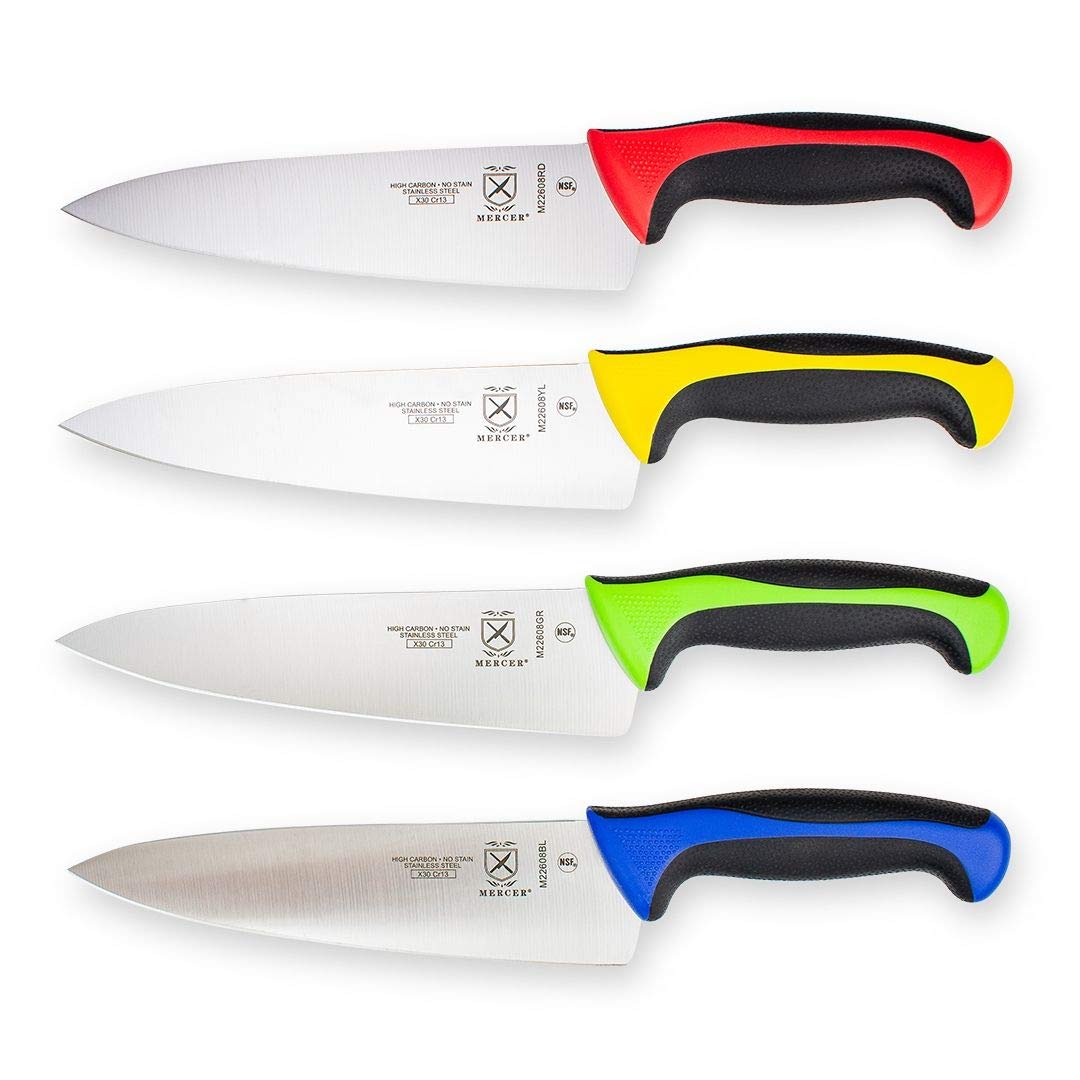
Tools You’ll Need





Want to save this recipe?
Want to save this recipe? Enter your email below, and we'll send it straight to your inbox. Plus, receive new recipes every week!

Classic Tender Pot Roast
- Total Time: 4 hours
Description
A classic, slow-baked pot roast with tender beef, carrots, and savory herbs in a rich sauce.
Ingredients
- 4–5 lb beef chuck roast
- 4 tsp coarse salt (such as kosher salt, divided or to taste)
- 1 1/2 tsp freshly ground black pepper (divided or to taste)
- 1 Tbsp light olive oil or high-heat cooking oil
- 1 large yellow onion, coarsely chopped
- 4 garlic cloves, coarsely chopped
- 3 Tbsp tomato paste
- 1 cup dry red wine (Cabernet Sauvignon or Pinot noir)
- 6 cups beef stock
- 5–6 whole carrots, peeled and cut into 2-inch pieces
- 2 bay leaves
- 6 sprigs fresh thyme or 1 tsp dried thyme
- 1/2 cup coarsely chopped fresh parsley, plus more to garnish
- 2 Tbsp cornstarch or flour (for thickening)
Instructions
- Season the roast with 3 tsp salt and 1 tsp pepper and let rest uncovered at room temperature for 1 hour.
- Preheat oven to 325°F and position rack in the lower third.
- Heat olive oil in a Dutch oven over medium-high heat and sear roast until golden on all sides, about 3 minutes per side; transfer to a plate.
- Reduce heat to medium, sauté onions until softened and golden, about 4-5 minutes; add garlic and cook 30 seconds.
- Stir in tomato paste for 2 minutes, then add wine, scrape up browned bits, and simmer until reduced by a quarter, about 2-3 minutes.
- Add beef stock, thyme, parsley, bay leaves, remaining salt and pepper, and carrots; return roast to pot, bring to a boil, cover, and bake for 3-4 hours until meat shreds easily.
- Remove the roast and vegetables, keep warm, and skim any excess fat.
- Thicken sauce by whisking cornstarch with water or using a flour-butter paste, simmer until smooth, then serve with shredded beef and garnish with parsley.
- Prep Time: 30 minutes
- Cook Time: 210 minutes
- Category: Main Course
- Cuisine: American
Nutrition
- Serving Size: 8 servings
- Calories: 511 kcal
- Sugar: 4 g
- Sodium: 1780 mg
- Fat: 28 g
- Saturated Fat: 12 g
- Unsaturated Fat: 17 g
- Trans Fat: 2 g
- Carbohydrates: 12 g
- Fiber: 2 g
- Protein: 48 g
- Cholesterol: 156 mg


