



Weeknight dinners have a way of sneaking up on you. It’s 6pm, everyone’s hungry, and you need something that feels like a real meal, not just fuel. That’s exactly where this shrimp linguine earns its place. Ready in 15 minutes flat, this garlic shrimp linguine delivers bright lemon, tender shrimp, and a buttery garlic sauce that coats every strand of pasta. It tastes like something you’d order at a trattoria, and it comes together faster than most people can decide what to order for delivery.
Why This Works Before You Even Start
The secret to this recipe’s speed is that the shrimp sauce builds in the same time the pasta cooks. There’s no waiting, no multi-hour simmering, and no complicated technique. The butter and olive oil combination matters here: butter brings richness and a slightly nutty finish once it foams, while olive oil raises the smoke point so the garlic doesn’t burn before the shrimp hits the pan.
The lemon does double duty too. The juice adds brightness and gently finishes cooking the shrimp, while the zest carries the floral, aromatic oils that juice alone can’t deliver. Skip the zest and the dish tastes flat. Use both and it tastes intentional.
Ingredients for Garlic Shrimp Linguine
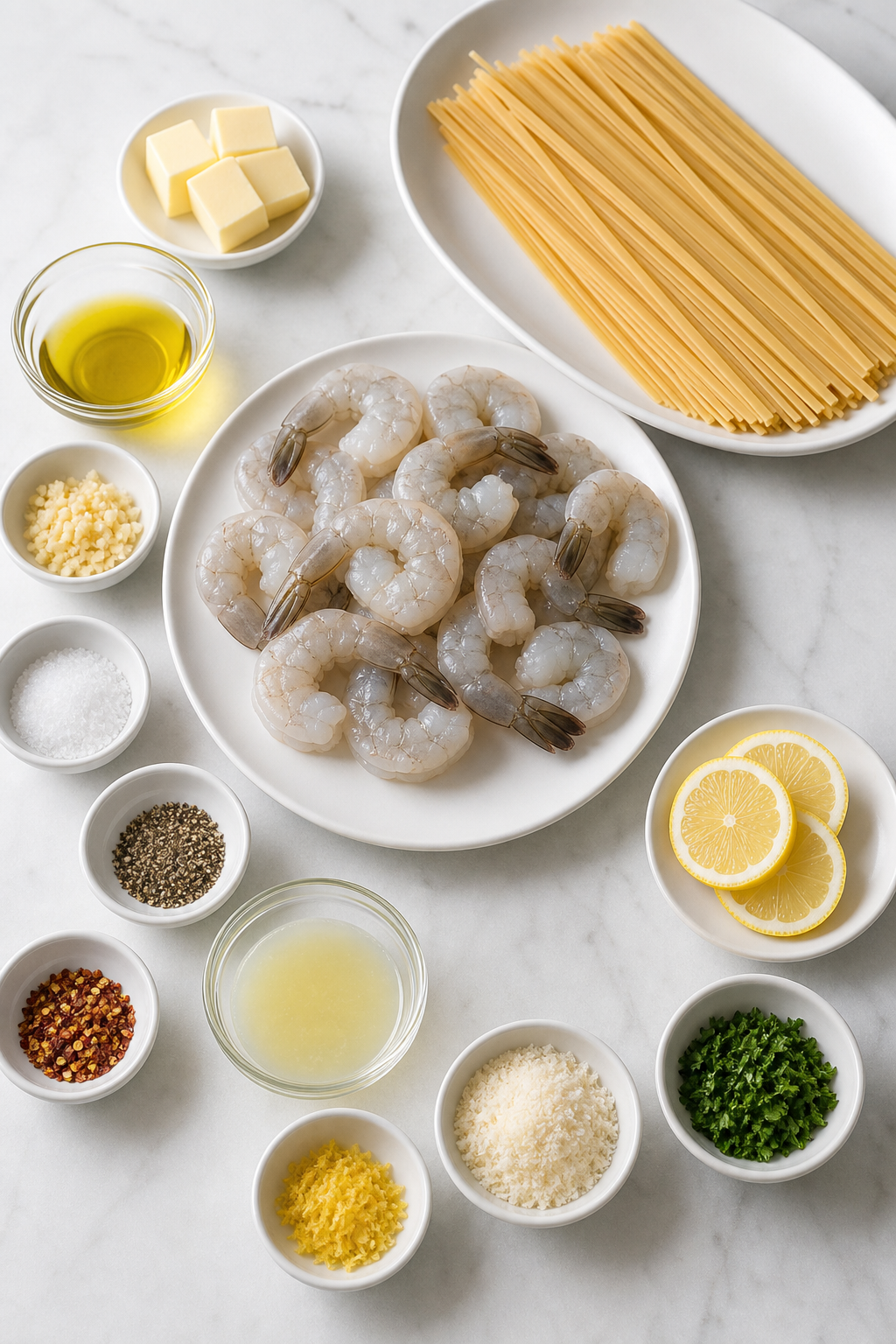
Everything here is either a pantry staple or a quick grocery grab. Use the freshest shrimp you can find for the best texture, though frozen shrimp works well too. Just thaw them in the refrigerator overnight or under cold running water before cooking. If you’re curious about other ways to cook shrimp, Bang Bang Shrimp Recipe explores a completely different flavor profile worth having in your rotation.
- 1 pound linguine pasta
- 4 tablespoons salted butter
- 2 tablespoons olive oil
- 1 tablespoon minced garlic (about 3 cloves)
- 1 pound raw shrimp, peeled and deveined
- 1 teaspoon salt (or to taste)
- 1/2 teaspoon black pepper
- 1/2 teaspoon crushed red pepper flakes
- 1/4 cup lemon juice
- 1 tablespoon lemon zest
- 2 tablespoons grated Parmesan cheese
- 2 tablespoons chopped fresh parsley
- 1/2 lemon, thinly sliced and halved
Substitution notes: No fresh parsley? Flat-leaf works better than curly, but in a pinch, a small amount of dried parsley can stand in. For a dairy-free version, swap the butter for additional olive oil and skip the Parmesan, or use a plant-based alternative.
What to Watch Before You Cook (Common Mistakes)
Most people who struggle with shrimp pasta make the same few errors. Catching them before you start saves the dish.
- Overcooking the shrimp: Shrimp cook in 2 to 3 minutes. The moment they curl into a tight C-shape and turn fully opaque, they’re done. A loose C means undercooked; a tight O-shape means overcooked and rubbery. Pull them off the heat the second they look right.
- Skipping the pasta water: That starchy water is what binds the sauce to the pasta. Plain water won’t do the same job. Reserve at least 1/2 cup before draining.
- Not salting the pasta water: The pasta is the base of the dish. If it’s bland, the whole plate suffers. The water should taste noticeably salty before the pasta goes in.
- Adding lemon juice too early: Lemon juice goes in after the shrimp are nearly cooked, not at the start. Adding it too early can make the shrimp tough and the sauce bitter.
- Letting the pasta sit after draining: Linguine sticks fast once drained. Have the skillet ready and toss the pasta in immediately.
Step-by-Step Instructions
Step 1: Cook the Pasta to Al Dente in Well-Salted Water
Bring a large pot of lightly salted water to a boil. Cook 1 pound of linguine according to package directions. Before draining, reserve 1/2 cup of pasta water and set it aside.
You will know the pasta is ready when it bends without snapping but still has a faint resistance at the center. That slight bite is what holds up once it hits the hot skillet. If the pasta goes in already soft, it will turn mushy by the time you serve it.
Step 2: Build the Garlic Butter Base Without Burning It
In a large skillet over medium-high heat, melt 4 tablespoons of salted butter with 2 tablespoons of olive oil. Once the butter is fully melted and just beginning to foam, stir in 1 tablespoon of minced garlic.
The garlic should sizzle gently, not aggressively spit. A sharp, almost sweet aroma means it’s working correctly. One thing to watch: if the garlic starts to brown at the edges within 30 seconds, your heat is too high. Lower it immediately and add the shrimp right away to cool the pan down.
Step 3: Cook the Shrimp Until Just Pink
Add 1 pound of raw shrimp to the skillet. Season with 1 teaspoon salt, 1/2 teaspoon black pepper, and 1/2 teaspoon crushed red pepper flakes. Cook, stirring continuously, until the shrimp turn pink, about 2 to 3 minutes.
Bigger shrimp take closer to 3 minutes; smaller ones can be done in under 2. The shrimp are ready when they’ve curled into a loose C-shape and the flesh looks opaque all the way through, with no grey translucency remaining at the center. Personally, I go for the largest shrimp I can find here. They stay juicier and give the dish a more satisfying bite than smaller varieties.
Step 4: Add the Lemon to Brighten and Finish the Sauce
Pour in 1/4 cup of lemon juice and add 1 tablespoon of lemon zest. Stir to combine and let the mixture simmer for 1 minute, stirring occasionally. Remove the skillet from heat.
The sauce will look thin at this stage. That’s expected. The pasta water and pasta starch will bring it together in the next step. If the sauce smells sharp and acidic rather than bright and citrusy, it may have reduced too fast. Add a small splash of reserved pasta water to balance it.
Step 5: Finish with Cheese, Herbs, and Lemon Slices
Toss the shrimp mixture with 2 tablespoons of grated Parmesan cheese, 2 tablespoons of chopped fresh parsley, and 1/2 lemon thinly sliced and halved. The Parmesan melts into the warm sauce and adds a subtle savory depth that ties the lemon and butter together.
The parsley isn’t just garnish. Added at this stage, off the heat, it keeps its color and fresh flavor rather than wilting into the sauce.
Step 6: Toss the Pasta and Serve Immediately
Add the cooked linguine and 1/2 cup of reserved pasta water to the skillet. Return the heat to a low simmer and toss everything together until the pasta is evenly coated. Serve immediately.
The sauce should cling to the pasta strands rather than pool at the bottom of the bowl. If it looks watery, let it simmer for another 30 to 60 seconds while tossing. If it looks too tight or sticky, add a splash more pasta water and toss again.
What Separates a Good Shrimp Linguine from a Great One
- Use freshly squeezed lemon juice. Bottled lemon juice has a cooked, slightly bitter flavor that flattens the dish. Fresh juice is sharper and brighter, which is exactly what this sauce needs.
- Don’t skip the zest. The aromatic oils in lemon zest are what make the dish smell as good as it tastes. Zest before juicing so the lemon is easier to handle.
- Grate the Parmesan fresh. Pre-shredded cheese contains anti-caking agents that prevent it from melting smoothly into the sauce. Freshly grated melts in seconds and integrates cleanly.
- Toss the pasta while the skillet is still warm. The residual heat helps the sauce absorb into the linguine. A cold skillet means the pasta just sits in the sauce rather than becoming part of it.
- Taste before serving. The salt level depends on your butter and Parmesan. A final pinch of salt or an extra squeeze of lemon at the end can make a noticeable difference.
Serving Suggestions
This garlic shrimp linguine is filling on its own, but a simple green salad with a sharp vinaigrette cuts through the richness nicely. Crusty bread alongside is worth it if you want something to catch the extra sauce in the bowl.
For a lighter starter before this dish, a broth-based soup works well without competing with the lemon and garlic flavors. If you’re weighing this against other quick shrimp options, unlike Quick 10-Min Shrimp Scampi, this version leans more heavily on lemon zest and chili heat rather than a wine-forward butter sauce, which gives it a noticeably brighter finish.
Storage and Reheating
Store leftovers in an airtight container in the refrigerator for up to 2 days. The pasta will absorb most of the sauce as it sits, so it will look drier than when freshly made.
To reheat, warm it in a skillet over medium-low heat with a splash of water or broth. Stir frequently until the sauce loosens and the pasta is heated through. You will know it’s ready when the strands separate easily and the sauce begins to coat the pasta again rather than clumping. Avoid the microwave if possible. It tends to make the shrimp rubbery and the pasta gummy.
This dish is best eaten fresh. It’s not ideal for meal prep in the traditional sense, but the sauce components can be made ahead and stored separately from the pasta for up to a day.
A Recipe Worth Coming Back To
The first time I made this, I drained the pasta and walked away for two minutes to plate something else. By the time I came back, the linguine had clumped into a solid mass and the sauce had nowhere to go. Now I keep the skillet warm and toss everything immediately. That one change made the whole dish come together the way it should.
When you need a real dinner on the table in 15 minutes without sacrificing flavor, this garlic shrimp linguine is the answer. Give it a try on a night when time is short and expectations are high. The lemon and garlic smell alone will make it feel worth it before you’ve even taken a bite.
FAQs
Can I use frozen shrimp for this easy shrimp linguine recipe?
Yes. Thaw frozen shrimp in the refrigerator overnight or under cold running water for about 10 minutes. Pat them dry before adding to the skillet. Excess moisture will cause the butter and oil to spatter and can dilute the sauce.
What size shrimp works best?
Larger shrimp hold up better in the sauce and give a more satisfying texture. Medium shrimp work, but they cook faster, closer to 1 to 2 minutes, so watch them carefully to avoid overcooking.
Can I add white wine to this shrimp linguine with lemon?
Yes, and it’s a natural addition. Add about 1/4 cup of dry white wine after the garlic has sautéed and let it reduce for about a minute before adding the shrimp. It adds a layer of complexity without changing the overall character of the dish.
How do I keep the pasta from soaking up all the sauce?
Toss the pasta and sauce together right before serving rather than letting them sit together in the skillet. If you’re serving in batches, keep the shrimp mixture separate and combine each portion as needed. The starchy pasta water also helps the sauce stay loose longer.
Is this quick shrimp pasta dish spicy?
The 1/2 teaspoon of crushed red pepper flakes adds a mild, background warmth rather than sharp heat. If you’re sensitive to spice, reduce it to 1/4 teaspoon. If you want more heat, add extra flakes at the table rather than increasing the amount during cooking, which gives you more control.
Can I use a different pasta shape?
Linguine works well because its flat surface holds the sauce without trapping it. Spaghetti is a close substitute. Avoid short pasta shapes like penne or rigatoni here. The sauce is too light to cling properly to those shapes and the dish loses its cohesion.
Essential Kitchen Tools
Making Shrimp Linguine? Most failed attempts come from using the wrong pan or heat setup — not the recipe itself.

Want to save this recipe?
Want to save this recipe? Enter your email below, and we'll send it straight to your inbox. Plus, receive new recipes every week!

Quick Garlic Shrimp Linguine
- Total Time: 15 minutes
- Yield: 4 Servings 1x
Description
This recipe is for a delicious and crowd-pleasing shrimp linguine dish with a tangy lemon flavor. The dish is easy to make and perfect for any occasion.
Ingredients
- 1 pound linguine pasta
- 4 tablespoons salted butter
- 2 tablespoons olive oil
- 1 tablespoon minced garlic (about 3 cloves)
- 1 pound raw shrimp (peeled and deveined)
- 1 teaspoon salt (or to taste)
- 1/2 teaspoon black pepper
- 1/2 teaspoon crushed red pepper flakes
- 1/4 cup lemon juice
- 1 tablespoon lemon zest
- 2 tablespoons grated Parmesan cheese
- 2 tablespoons chopped fresh parsley
- 1/2 lemon (thinly sliced and halved)
Instructions
- In a large pot, bring lightly salted water to a boil and cook 1 pound of linguine pasta according to the package instructions. Before draining, set aside 1/2 cup of the pasta water.
- Heat a large skillet over medium-high heat, melting 4 tablespoons of salted butter and adding 2 tablespoons of olive oil. Incorporate 1 tablespoon of minced garlic and 1 pound of raw shrimp. Season with 1 teaspoon of salt, 1/2 teaspoon of black pepper, and 1/2 teaspoon of crushed red pepper flakes. Stir continuously until the shrimp turn pink, which should take about 2-3 minutes.
- Pour in 1/4 cup of lemon juice and add 1 tablespoon of lemon zest. Allow to simmer for 1 minute while stirring occasionally, then remove from heat.
- Combine the shrimp mixture with 2 tablespoons of grated Parmesan cheese, 2 tablespoons of chopped fresh parsley, and the thinly sliced 1/2 lemon.
- Add the cooked linguine and the reserved pasta water to the skillet, tossing everything together to ensure even coating. Serve right away.
Notes
TECHNIQUE TIP: Ensure the shrimp are fully thawed and pat them dry before cooking to achieve a perfect sear.
STORAGE: Store leftovers in an airtight container in the refrigerator for up to 2 days. Reheat gently on the stove with a splash of water to loosen the pasta.
- Prep Time: 5 minutes
- Cook Time: 10 minutes
- Category: Main Dish
- Cuisine: Italian
Nutrition
- Serving Size: 4 servings
- Calories: 688 kcal
- Sugar: 4 g
- Sodium: 1370 mg
- Fat: 22 g
- Saturated Fat: 9 g
- Unsaturated Fat: 11 g
- Trans Fat: 0.5 g
- Carbohydrates: 90 g
- Fiber: 5 g
- Protein: 32 g
- Cholesterol: 175 mg


