

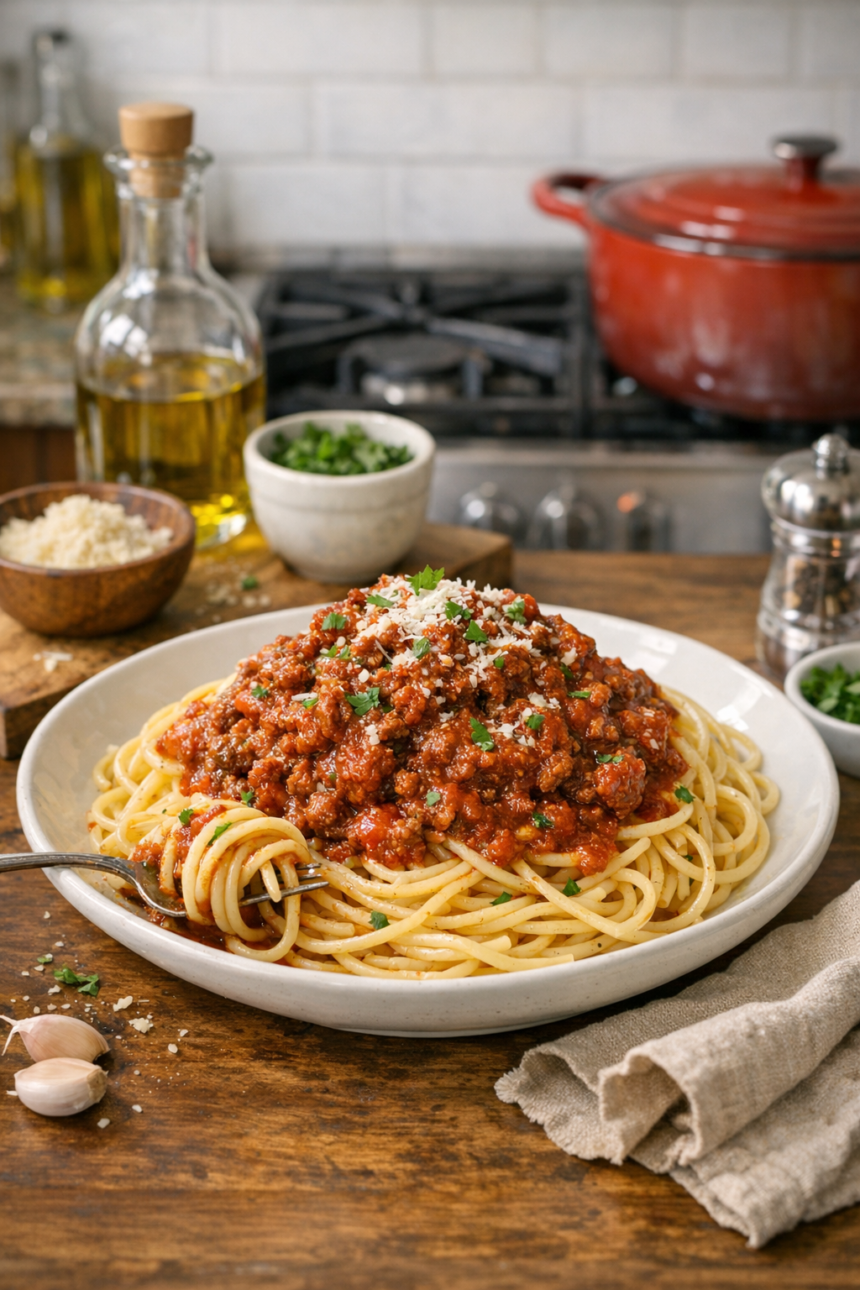
Did you know that a single batch of spaghetti meat sauce can solve your dinner dilemma for multiple weeknights, family gatherings, and even camping trips? This freezer-friendly classic transforms simple pantry staples into a hearty, protein-packed meal that pleases kids and adults alike. With its rich tomato base, savory ground beef, and aromatic herbs, this homemade spaghetti meat sauce delivers restaurant-quality flavor without the hefty price tag or complicated technique. Whether you’re a beginner cook looking for confidence or a busy parent needing meal prep magic, this recipe takes just under an hour from start to finish. The best part? You’ll learn practical tricks like balancing acidity with sugar, timing your pasta perfectly, and storing portions for grab-and-go convenience throughout the week.
Ingredients for Spaghetti Meat Sauce
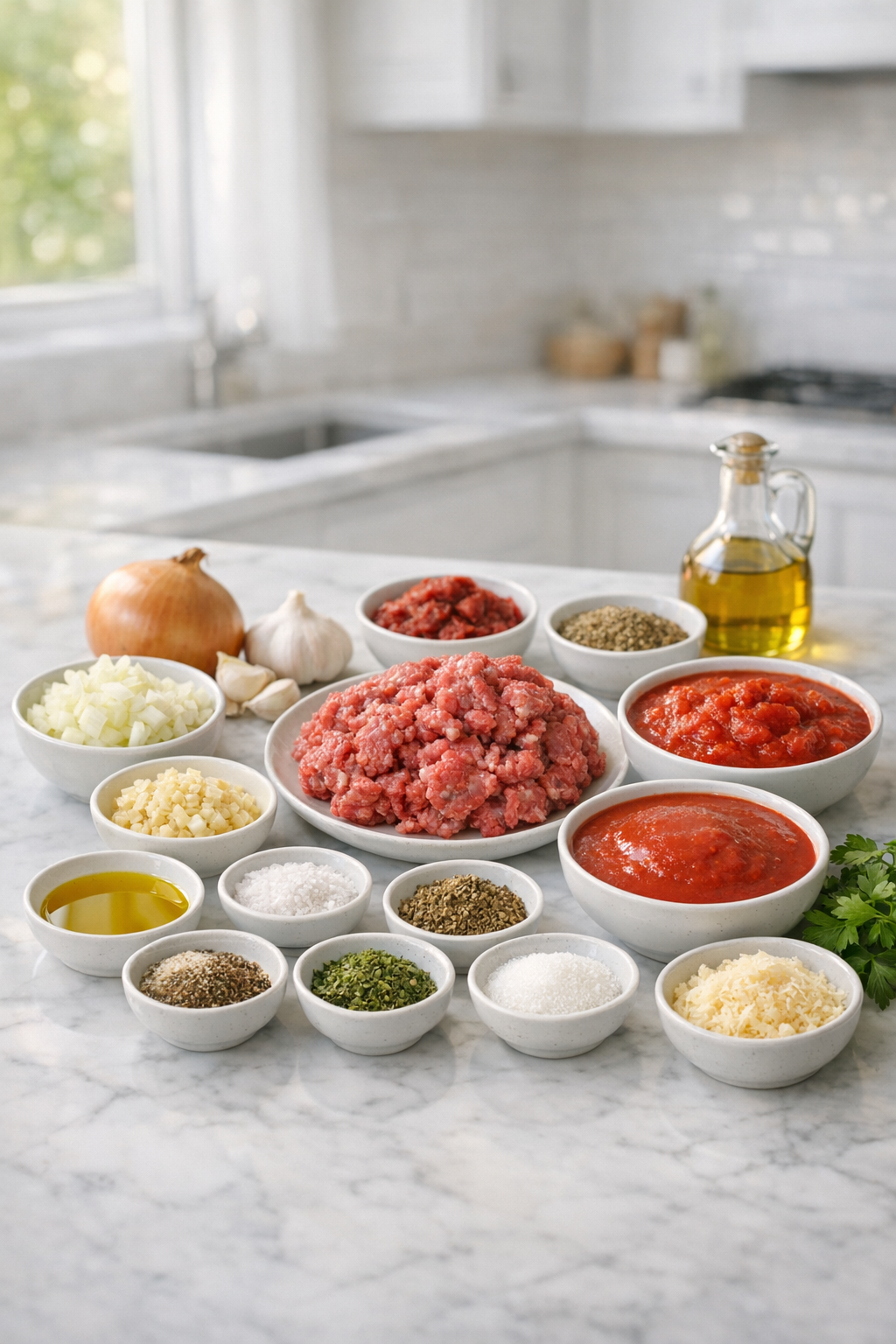
This recipe uses everyday ingredients you probably already have on hand. The key is choosing quality tomatoes and fresh aromatics for maximum flavor.
- 1 tablespoon olive oil (or vegetable oil)
- 1 pound ground beef (80/20 blend works best, or substitute half with Italian sausage for extra flavor)
- 1 teaspoon fine sea salt (plus more to taste)
- ½ teaspoon freshly ground black pepper
- 1 medium yellow onion (finely diced, white onion also works)
- 4 garlic cloves (minced, or 1 teaspoon garlic powder if needed)
- 1 tablespoon tomato paste (adds depth and richness)
- 1 teaspoon dried oregano
- 1 teaspoon dried basil
- 28-ounce can crushed tomatoes
- 15-ounce can tomato sauce
- 1 teaspoon sugar (helps balance acidity, adjust to taste)
- Cooked spaghetti (for serving, about 1 pound dried)
- Grated Parmesan cheese and fresh basil (optional garnish)
You can easily swap ground beef for ground turkey or chicken if you prefer leaner protein. A mix of beef and Italian sausage creates a more complex flavor profile that many families love. If you’re sensitive to acidity, feel free to increase the sugar slightly or add a pinch of baking soda.
Step-by-Step Instructions for Making Spaghetti Meat Sauce
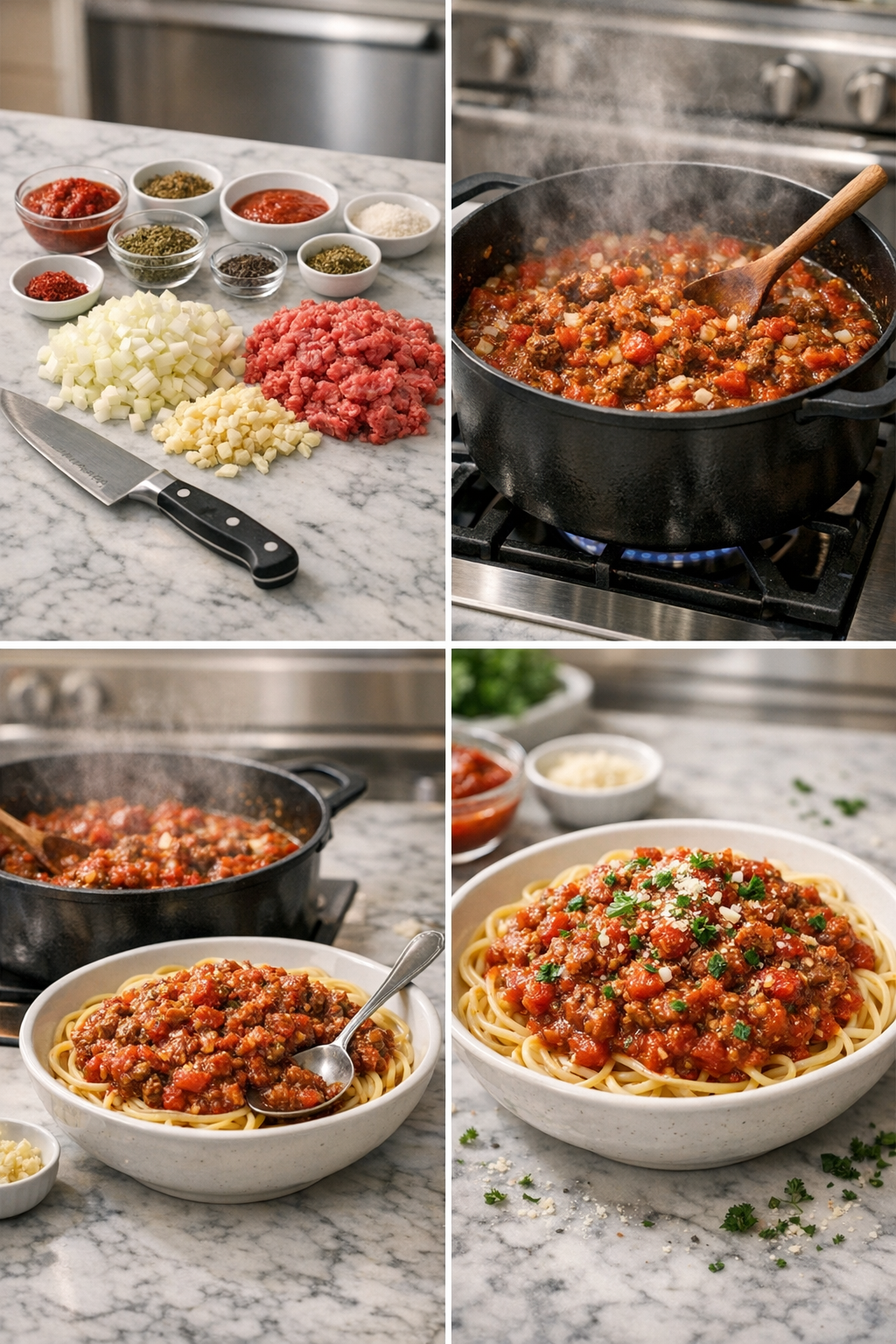
Prep Your Aromatics
Start by finely chopping one medium yellow onion. The easiest method: cut the onion in half, peel back the outer layer, trim the stem end, and leave the root intact. Slice horizontally with the grain, then turn and cut across. Keeping the root end attached holds everything together and prevents tears. Next, mince four large garlic cloves by cutting off one end, smashing with the side of your knife to release the skins, then finely chopping. This prep work takes about five minutes and sets you up for smooth cooking.
Brown the Ground Beef
Heat one tablespoon of olive oil in a large pot or Dutch oven over medium-high heat. Add the ground beef and break it up with a spatula into small crumbles. Season immediately with one teaspoon of salt and half a teaspoon of black pepper. Continue cooking for about five minutes, stirring occasionally, until the beef is fully browned and cooked through. You can drain excess fat if desired, but leaving some in adds flavor and richness to the sauce.
Sauté the Onion
Add your finely diced onion directly to the cooked beef. Reduce heat to medium and sauté for another five minutes, stirring occasionally. The onion should become soft and translucent, releasing its natural sweetness. This step builds the flavor foundation of your sauce, so don’t rush it.
Add Garlic and Tomato Paste
Stir in the minced garlic and cook for just 30 seconds until fragrant. Garlic burns quickly, so keep stirring. Next, squeeze in one tablespoon of tomato paste and stir constantly for about one minute. This caramelizes the paste and deepens the overall flavor, giving your sauce a richer, more complex taste.
Add Herbs and Tomatoes
Sprinkle in the dried oregano and basil, stirring to coat the beef mixture. Pour in the 28-ounce can of crushed tomatoes and the 15-ounce can of tomato sauce. Add one teaspoon of sugar to balance the natural acidity of the tomatoes. Stir everything together and bring to a uniform boil, stirring frequently to prevent splattering.
Simmer the Sauce
Once the sauce reaches a boil, reduce heat to low and let it simmer gently. Cover the pot partially to allow steam to escape while preventing too much evaporation. Simmer for 25 to 30 minutes, stirring occasionally to prevent scorching on the bottom. The sauce will thicken and develop deeper flavors as it cooks. Taste and adjust seasoning, adding another half teaspoon of salt if needed.
Cook the Pasta
About 15 minutes before the sauce finishes, start your pasta. Boil water in a large pot with a generous amount of salt (the water should taste like the sea). Cook spaghetti according to package instructions until al dente, which means firm to the bite. Timing your pasta to finish with the sauce ensures everything is hot and fresh when you serve.
Serve and Garnish
When both sauce and pasta are ready, plate the spaghetti and generously ladle the meat sauce over top. Garnish with freshly grated Parmesan cheese and torn fresh basil leaves. For the best texture, toss the pasta and sauce together in a large bowl so every noodle gets coated. If you’re not serving all the sauce at once, keep the pasta and sauce separate until ready to eat. The noodles store much better this way.
Healthier Alternatives for Spaghetti Meat Sauce
You can easily lighten this recipe without sacrificing flavor. Here are some practical swaps that work well in everyday cooking:
- Use lean ground turkey or chicken instead of beef to reduce saturated fat and calories
- Add finely chopped vegetables like carrots, celery, or zucchini to increase fiber and nutrients
- Choose whole wheat or chickpea pasta for more protein and whole grains
- Reduce the amount of meat and bulk up the sauce with mushrooms or lentils for plant-based protein
- Use no-salt-added canned tomatoes and control the sodium yourself
- Skip the sugar if you’re watching carbs, or use a pinch of baking soda to cut acidity instead
These substitutions maintain the comforting, hearty character of the sauce while fitting various dietary needs and preferences.
Serving Suggestions for Spaghetti Meat Sauce
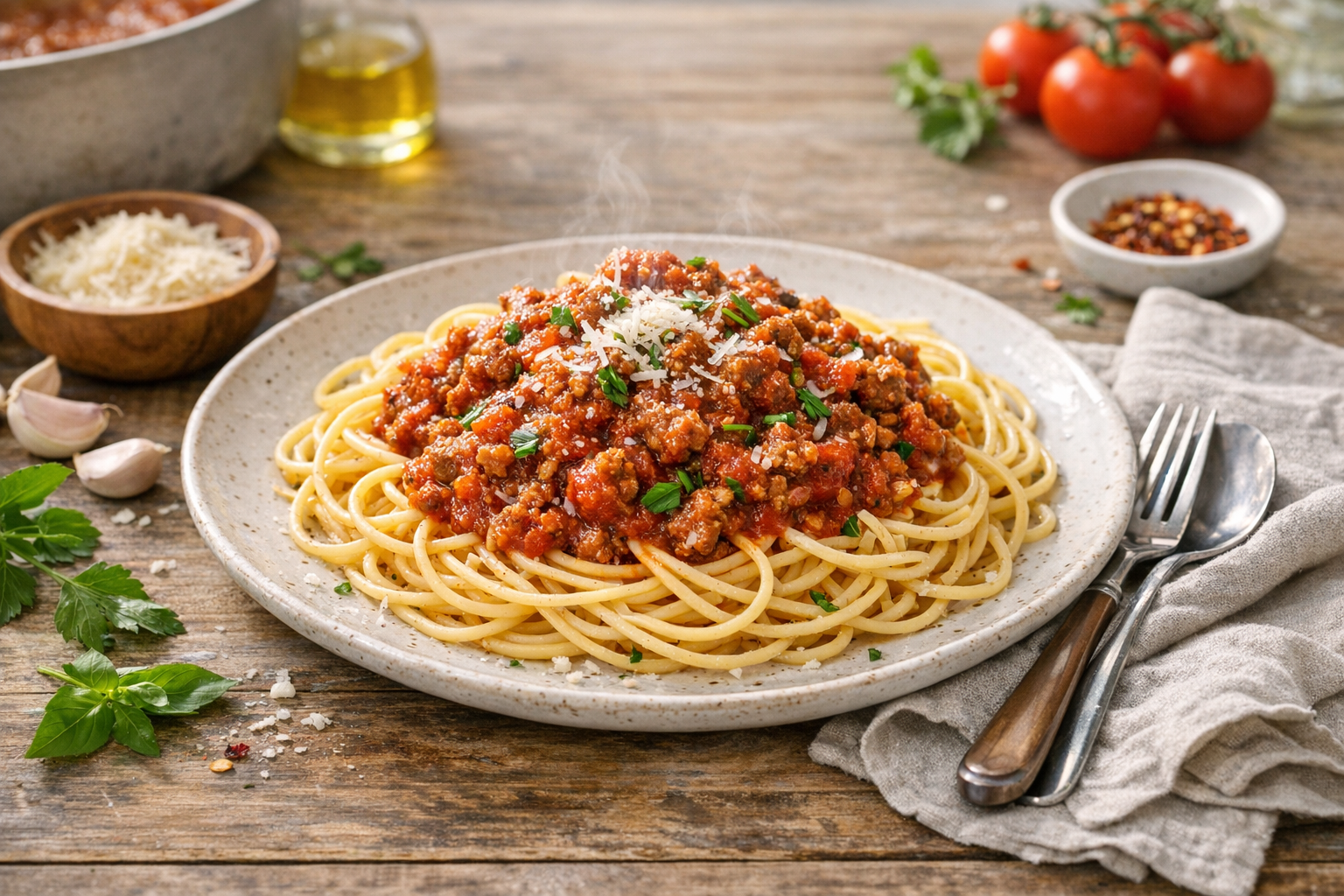
This versatile sauce pairs beautifully with more than just spaghetti. Try ladling it over penne, rigatoni, or even zucchini noodles for a low-carb option. Serve alongside warm garlic bread or a simple Caesar salad for a complete meal. Leftovers make excellent baked ziti, lasagna filling, or even a topping for baked potatoes. For family dinners, set out bowls of grated Parmesan, red pepper flakes, and fresh basil so everyone can customize their plate. This sauce also works wonderfully as a base for pizza, stuffed peppers, or as a dipping sauce for mozzarella sticks.
Common Mistakes to Avoid When Making Spaghetti Meat Sauce
Even simple recipes have pitfalls. Here’s how to avoid the most common issues:
Skipping the tomato paste: Don’t leave this out. It concentrates flavor and adds body to the sauce. Cooking it for a full minute prevents a raw, metallic taste.
Not seasoning in layers: Season the beef early, then taste and adjust at the end. This builds balanced flavor throughout the dish rather than trying to fix it all at once.
Boiling instead of simmering: A rapid boil can make the sauce taste bitter and cause it to splatter everywhere. Keep it at a gentle simmer for the best results.
Overcooking the garlic: Garlic burns quickly and turns bitter. Add it after the onion softens and cook for just 30 seconds.
Forgetting to salt the pasta water: Undersalted pasta tastes bland no matter how flavorful your sauce is. Use plenty of salt in the boiling water.
Mixing pasta and sauce too early: If you’re meal prepping, keep them separate. Combined pasta absorbs liquid and becomes mushy in storage.
Storing Tips for Spaghetti Meat Sauce
This sauce is incredibly freezer-friendly, making it perfect for meal prep and busy weeks. Let the sauce cool completely before storing to prevent condensation and freezer burn. Transfer to airtight containers or heavy-duty freezer bags, leaving about an inch of headspace for expansion. Label with the date and contents.
Refrigerator storage: Store in an airtight container for up to four days. Reheat gently on the stovetop or in the microwave, adding a splash of water if it’s too thick.
Freezer storage: Freeze for up to three months. Portion into individual servings or family-size batches for maximum convenience. Thaw overnight in the refrigerator or reheat directly from frozen over low heat, stirring frequently.
Cooked pasta storage: Store separately from the sauce in an airtight container for up to three days. Toss with a tiny bit of olive oil to prevent sticking. Reheat by dipping briefly in boiling water or microwaving with a damp paper towel on top.
Having pre-portioned sauce in the freezer means you’re always one pot of pasta away from a hot, satisfying dinner.
Why This Spaghetti Meat Sauce Works Every Time
This recipe earns its place as a family favorite because it balances simplicity with serious flavor. The technique of browning the beef, sautéing aromatics, and simmering the sauce slowly allows every ingredient to contribute its best qualities. Using both crushed tomatoes and tomato sauce gives you the perfect texture: hearty but not chunky, smooth but not watery. The sugar trick is a game-changer, cutting through the acidity without making the sauce taste sweet. And because it freezes beautifully, you can cook once and enjoy multiple times, whether for weeknight dinners, camping trips, or last-minute gatherings. This is the kind of recipe that builds confidence in the kitchen and gets requested again and again.
Frequently Asked Questions About Spaghetti Meat Sauce
Can I make this sauce in a slow cooker?
Yes, brown the beef and sauté the onion and garlic on the stovetop first, then transfer everything to a slow cooker. Cook on low for 4 to 6 hours or on high for 2 to 3 hours. The long cooking time deepens the flavors even more.
How can I make the sauce thicker?
Simmer uncovered for an additional 10 to 15 minutes to let more liquid evaporate. You can also stir in an extra tablespoon of tomato paste or a slurry of cornstarch and water for a quicker fix.
Can I use fresh tomatoes instead of canned?
Absolutely. Use about 3 pounds of fresh tomatoes, blanched, peeled, and crushed. Keep in mind that fresh tomatoes have more water content, so you may need to simmer longer to reach the right consistency.
What can I do if the sauce tastes too acidic?
Add another half teaspoon of sugar or a small pinch of baking soda. Both help neutralize acidity without changing the flavor profile significantly. Taste as you go to avoid over-sweetening.
Can I add vegetables to this sauce?
Yes, finely diced carrots, celery, bell peppers, or mushrooms work wonderfully. Add them when you sauté the onion so they have time to soften and blend into the sauce.
How do I reheat frozen sauce?
Thaw overnight in the fridge for best results, then reheat gently on the stovetop over medium-low heat, stirring occasionally. You can also reheat directly from frozen over low heat, adding a splash of water to prevent sticking.
Can I use ground turkey instead of beef?
Yes, ground turkey is a great leaner alternative. Because turkey is drier than beef, consider adding an extra tablespoon of olive oil to keep the sauce moist and flavorful.
How much pasta should I cook for this amount of sauce?
This recipe makes about 6 cups of sauce, enough for 1 to 1.5 pounds of dried pasta, serving 6 to 8 people generously. Adjust based on how saucy you like your spaghetti.
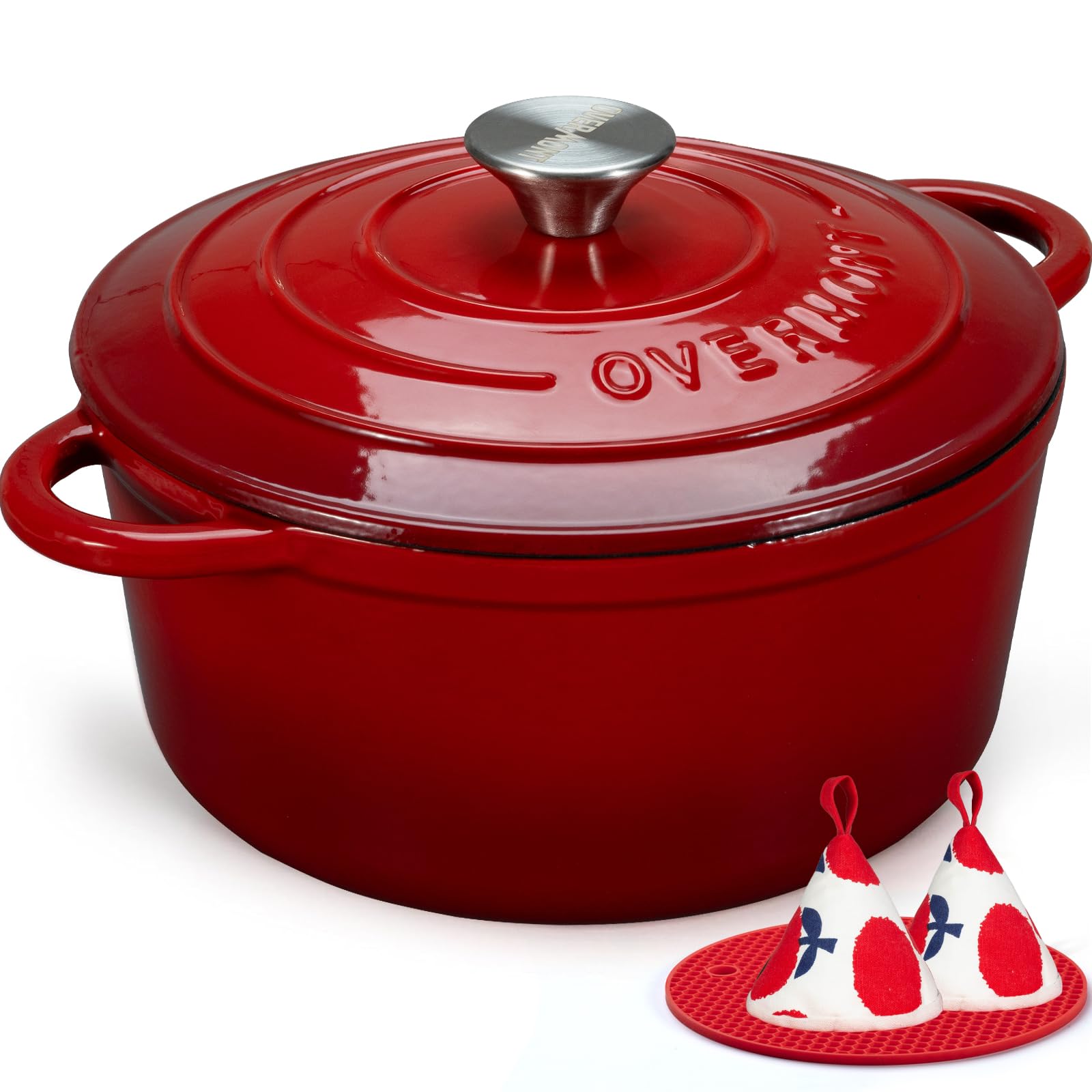
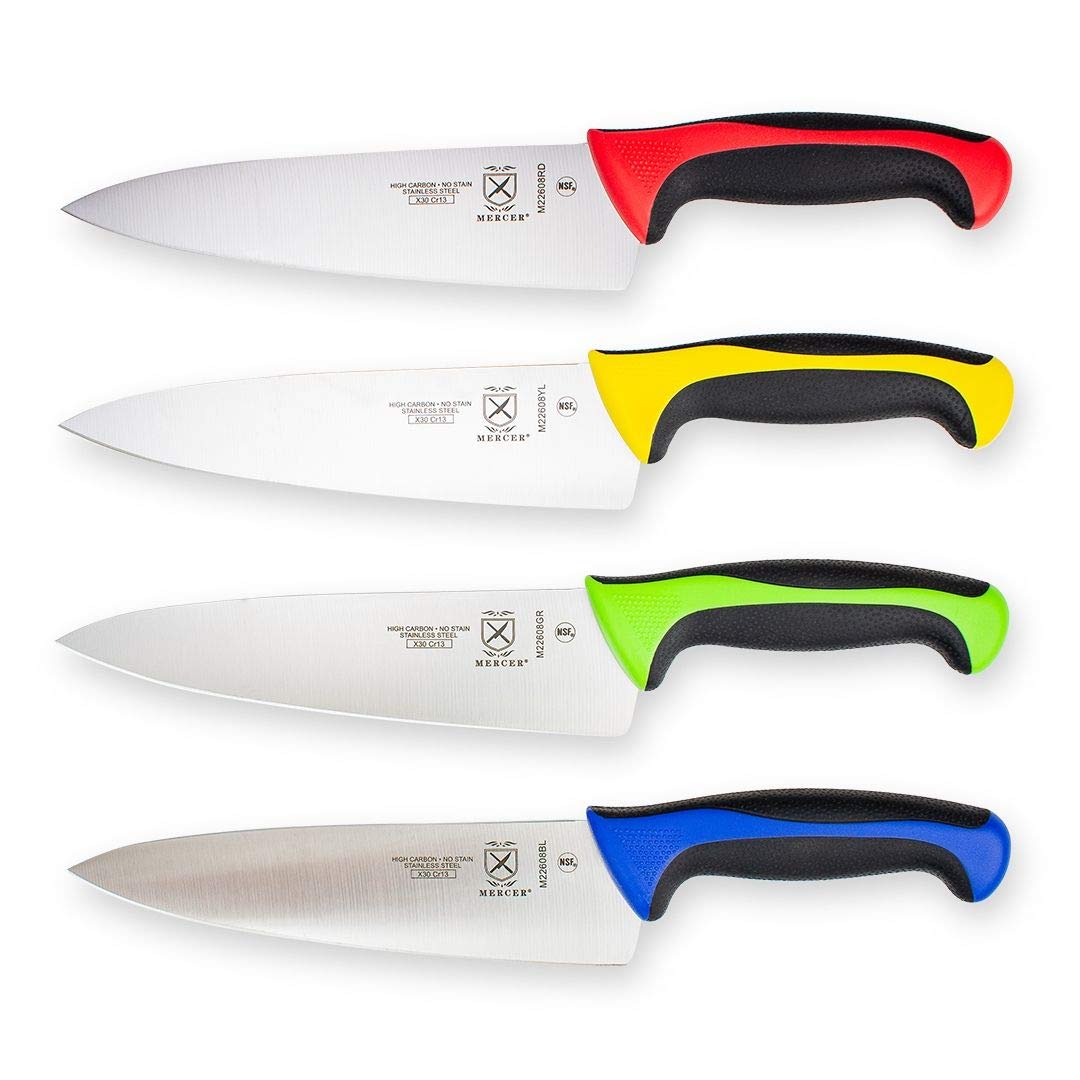
Tools You’ll Need
Essential Kitchen Tools
Everything you need to make cooking easier and more enjoyable



Must Try Recipes
- Instant Pot Chicken and Rice
Creamy chicken and rice made speedy in the Instant Pot. - One-Pot Cheeseburger Pasta
All-in-one comfort pasta with cheeseburger flavors. - One-Pan Italian Chicken and Potatoes
Italian-seasoned chicken and potatoes on one sheet. - Shepherds Pie
Hearty, family-friendly shepherd’s pie everyone loves. - Green Chile Chicken Enchiladas
Simple enchiladas with tangy green chile chicken.

Want to save this recipe?
Want to save this recipe? Enter your email below, and we'll send it straight to your inbox. Plus, receive new recipes every week!
Easy Freezer-Friendly Spaghetti Meat Sauce
- Total Time: 55 minutes
Description
A hearty, beginner-friendly spaghetti meat sauce made with pantry staples. Quick to prep, hands-off simmering, and freezer-friendly for easy family dinners.
Ingredients
- 1 Tbsp olive oil
- 1 pound ground beef (80/20 or mix with Italian sausage)
- 1 tsp fine sea salt (plus more to taste)
- ½ tsp freshly ground black pepper
- 1 medium yellow onion, finely diced
- 4 garlic cloves, minced
- 1 Tbsp tomato paste
- 1 tsp dried oregano
- 1 tsp dried basil
- 28 oz can crushed tomatoes
- 15 oz can tomato sauce
- 1 tsp sugar
- Grated Parmesan and chopped parsley or basil for garnish (optional)
Instructions
- Heat olive oil in a large pot or Dutch oven over medium-high heat. Add ground beef, season with salt and pepper, and cook until browned, about 5 minutes.
- Add diced onion and cook until soft and translucent, about 4–5 minutes.
- Stir in garlic and cook for 30 seconds, then add tomato paste and cook 1 minute to deepen flavor.
- Sprinkle in oregano and basil. Pour in crushed tomatoes, tomato sauce, and sugar. Stir and bring to a gentle boil.
- Lower heat, partially cover, and simmer 25–30 minutes, stirring occasionally. Taste and adjust seasoning. Serve over cooked spaghetti and top with Parmesan and herbs.
- Prep Time: 10 minutes
- Cook Time: 45 minutes
- Category: Main Course
- Cuisine: American, Italian
Nutrition
- Serving Size: 8 servings
- Calories: 194 kcal
- Sugar: 8 g
- Sodium: 728 mg
- Fat: 11 g
- Saturated Fat: 4 g
- Unsaturated Fat: 6 g
- Trans Fat: 1 g
- Carbohydrates: 13 g
- Fiber: 3 g
- Protein: 13 g
- Cholesterol: 39 mg