
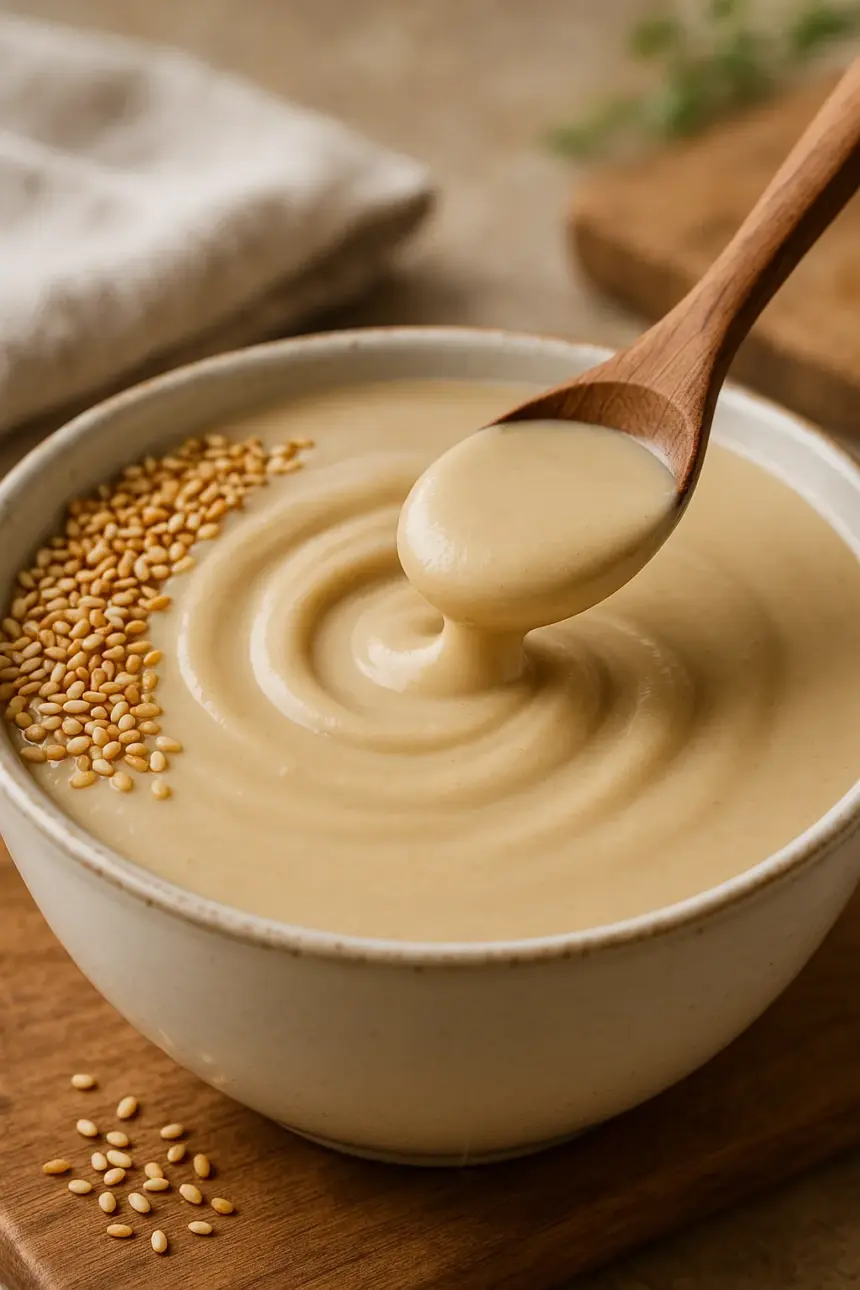
Have you ever opened a jar of tahini only to find it bitter, thick, or difficult to stir? Many store-bought versions lose their fresh sesame flavor or separate after sitting on the shelf. Making homemade tahini solves this problem with a simple method that creates a smoother, creamier texture and a much fresher taste. With just sesame seeds and a little olive oil, you can turn toasted seeds into a silky paste that blends perfectly into hummus, dressings, sauces, and even baked treats.
The process is surprisingly quick and beginner-friendly. In about eight minutes, toasted sesame seeds are blended until their natural oils release, forming a rich paste that becomes perfectly creamy with a small amount of oil. The result is a fresh batch of tahini that is more flavorful and often more affordable than store-bought options.
Making tahini at home also gives you full control over the final texture and flavor. You can adjust the oil to make it thicker for spreads or thinner for dressings, all without additives or preservatives. Once you try this easy homemade version, it quickly becomes a reliable staple for everyday cooking.
Ingredients for Tahini
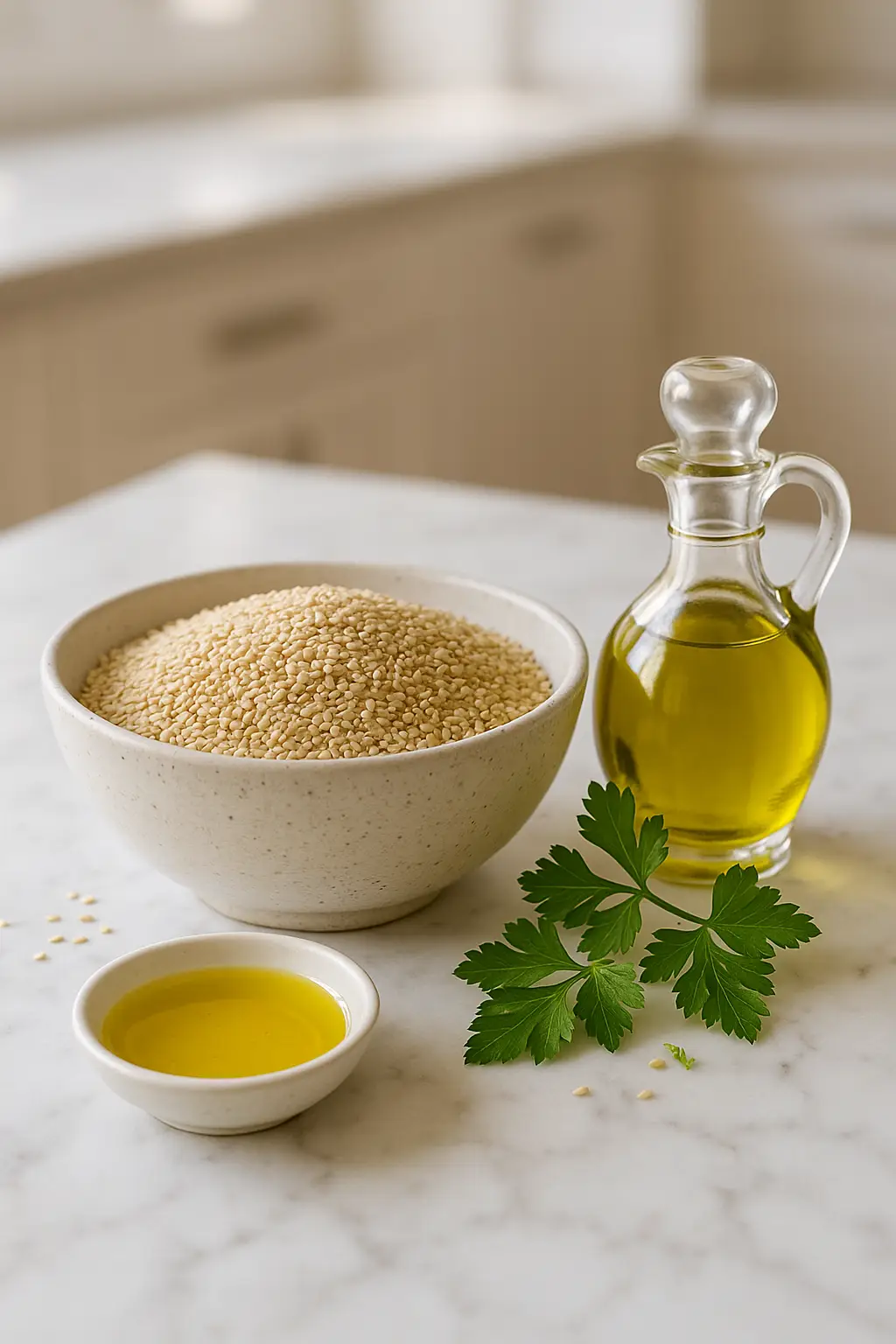
This recipe couldn’t be simpler. You only need two core ingredients to make rich, creamy tahini at home:
- 4 cups hulled white sesame seeds: These will toast down and blend into about 2 cups of finished tahini. Hulled seeds create a smoother, lighter-colored paste compared to unhulled varieties.
- 3 tablespoons olive oil: This helps achieve that signature creamy consistency. Using a high-powered blender means you’ll need less oil than traditional food processor methods.
Substitution tips: If you prefer a more neutral flavor, you can swap olive oil for a light-tasting oil like avocado or grapeseed oil. For a nuttier, slightly darker tahini, try using unhulled sesame seeds, though the texture will be a bit grainier.
Step-by-Step Instructions
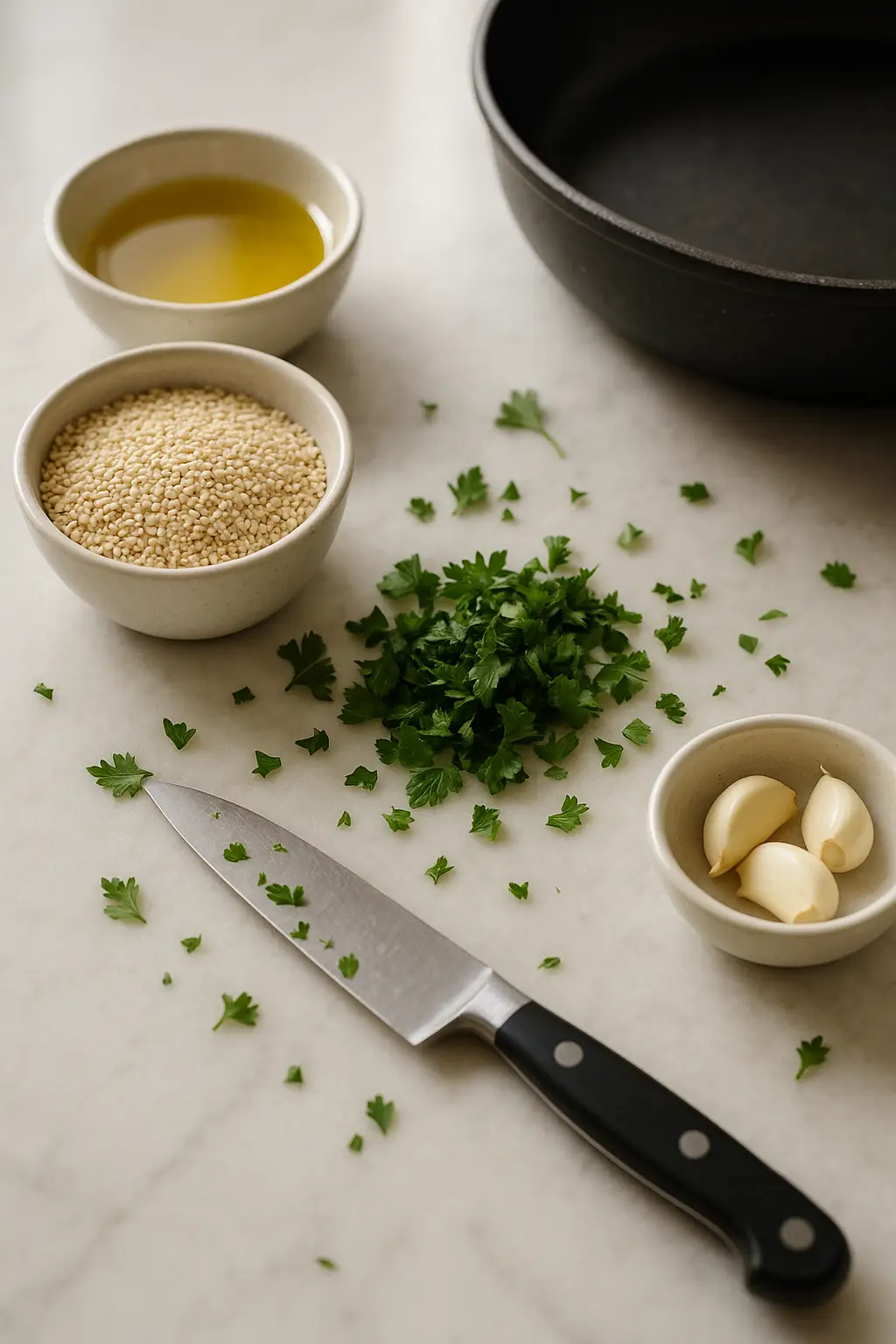
Toast the Sesame Seeds
Add the 4 cups of hulled sesame seeds to a large pan over medium-low heat. Stir constantly to prevent burning, and toast them gently for about 5 minutes. You’ll know they’re ready when they turn slightly golden and release a warm, nutty aroma that fills your kitchen.
Once toasted, remove the pan from heat and let the sesame seeds cool completely to room temperature. This cooling step is important because blending hot seeds can create a runnier consistency and may affect the final texture of your tahini.
Blend the Seeds into a Paste
Transfer the cooled sesame seeds to a high-powered blender like a Vitamix. If your blender has a tamper, insert it through the lid. Blend on high for about one minute, using the tamper to push the seeds down into the blades consistently.
At first, the seeds will look dry and crumbly, but keep blending. The natural oils in the sesame seeds will release, and the mixture will start clumping together and eventually form a thick, smooth paste. Be patient during this stage as it can take a full minute of blending to reach the right consistency.
Add the Olive Oil
Once you have a thick tahini paste, add the 3 tablespoons of olive oil. Blend for another minute until the oil is fully incorporated and the tahini reaches a smooth, creamy, pourable consistency.
The olive oil not only makes the tahini easier to blend and pour, but it also enhances the flavor and gives it that luxurious silky texture. Because you’re using a high-powered blender, you’ll use significantly less oil than recipes that rely on food processors, which means your tahini will be richer and more concentrated.
Healthier Alternatives for Tahini
While tahini is already a nutrient-dense food packed with healthy fats, protein, and minerals, here are some simple swaps to tailor it to your dietary preferences:
- Reduce oil content: If you want an even thicker tahini with slightly fewer calories, start with just 2 tablespoons of olive oil and add more only if needed for blending.
- Use avocado oil: Swap olive oil for avocado oil to increase monounsaturated fats and create a more neutral flavor profile.
- Try black sesame seeds: For added antioxidants and a deeper, earthier flavor, use black sesame seeds instead of white. The color will be darker, but the nutritional benefits are slightly higher.
- Add a pinch of sea salt: A tiny bit of salt can enhance the natural nuttiness of the sesame seeds without adding significant sodium.
Serving Suggestions
Homemade tahini is incredibly versatile and can be used in countless ways throughout your weekly meal prep. Here are some practical serving ideas:
- Classic hummus: Blend tahini with chickpeas, lemon juice, garlic, and olive oil for a creamy, homemade hummus that’s far superior to store-bought versions.
- Lemon tahini dressing: Whisk tahini with fresh lemon juice, a drizzle of water, minced garlic, and a pinch of salt for a tangy dressing that’s perfect on salads, grain bowls, or roasted vegetables.
- Tahini cookies: Use tahini in baking to add a rich, nutty flavor to cookies, brownies, or energy balls. Chocolate chip tahini cookies are especially delicious.
- Buddha bowls: Drizzle tahini over roasted veggies, quinoa, chickpeas, and greens for a satisfying plant-based meal.
- Tahini toast: Spread it on whole-grain toast and top with sliced banana, honey, and a sprinkle of cinnamon for a quick breakfast.
- Dipping sauce: Thin tahini with a bit of water and lemon juice to create a simple dip for fresh vegetables, pita bread, or falafel.
Common Mistakes to Avoid
Making tahini is straightforward, but a few common pitfalls can affect the final result. Here’s what to watch out for:
- Burning the sesame seeds: Toasting over too high heat or not stirring constantly can cause the seeds to burn, which creates a bitter flavor. Keep the heat on medium-low and stir continuously.
- Blending while seeds are hot: If you blend the sesame seeds before they cool, the heat can cause the oils to separate too quickly, resulting in a runny or greasy texture. Always let them cool to room temperature first.
- Not using a high-powered blender: While food processors can work, they often require significantly more oil to reach a smooth consistency. A high-powered blender like a Vitamix gives you creamier results with less added fat.
- Giving up too early: It can take a full minute of blending before the sesame seeds release their oils and turn into a paste. If you stop too soon, you’ll end up with a grainy texture instead of a smooth one.
- Skipping the tamper: If your blender has a tamper, use it. It keeps the seeds moving into the blades and prevents air pockets that can slow down the blending process.
Storing Tips for Tahini
Proper storage is key to keeping your homemade tahini fresh and delicious for weeks. Here’s how to store it correctly:
Refrigeration: Transfer your tahini to an airtight glass jar or container and store it in the refrigerator. It will stay fresh for up to one month. The oil may separate and rise to the top during storage, which is completely normal. Just give it a good stir before each use to reincorporate the oil.
Room temperature storage: If you plan to use your tahini within a week or two, you can store it at room temperature in a cool, dark pantry. Make sure the container is tightly sealed to prevent oxidation.
Freezing: For longer storage, you can freeze tahini in an airtight container for up to three months. Thaw it in the refrigerator overnight before using, and stir well to restore the creamy texture.
Meal prep tip: Since this recipe makes about 2 cups, consider dividing it into smaller jars so you can keep one in the fridge for immediate use and store the rest in the freezer for later. This way, you’ll always have fresh tahini on hand without worrying about it going rancid.
Final Thoughts
Making your own tahini at home is a simple, rewarding process that delivers fresher flavor, better texture, and more control over what goes into your food. With just two ingredients and about eight minutes of your time, you can create a versatile staple that enhances everything from hummus and dressings to baked goods and grain bowls.
The key to success is toasting your sesame seeds until fragrant, letting them cool completely, and using a high-powered blender to achieve that signature creamy consistency. Once you try homemade tahini, you’ll never want to go back to store-bought versions.
Give this recipe a try and discover how easy it is to make restaurant-quality tahini right in your own kitchen. Your salads, dips, and snacks will thank you.
Frequently Asked Questions
Can I use unhulled sesame seeds instead of hulled?
Yes, you can use unhulled sesame seeds, which will give your tahini a slightly darker color, a more pronounced nutty flavor, and a bit more texture. Unhulled seeds also contain more fiber and minerals, though the texture won’t be quite as smooth as tahini made with hulled seeds.
Why is my tahini too thick?
If your tahini is thicker than you’d like, simply add an extra tablespoon of olive oil and blend again. You can also thin it with a small amount of water or lemon juice, depending on how you plan to use it.
Can I make tahini in a food processor?
Yes, but you’ll likely need to add more oil to achieve a smooth consistency. Food processors don’t create the same high-speed friction as blenders, so the sesame seeds may not release their oils as efficiently. Expect to use around 5 to 6 tablespoons of oil instead of 3.
How do I know when the sesame seeds are toasted enough?
The sesame seeds are ready when they turn a light golden color and release a warm, nutty aroma. This usually takes about 5 minutes over medium-low heat with constant stirring. Be careful not to let them brown too much, as they can quickly go from toasted to burnt.
Is homemade tahini healthier than store-bought?
Homemade tahini is often fresher and contains no additives, preservatives, or excess salt that some store-bought brands include. You also have complete control over the oil type and quantity, which allows you to tailor the recipe to your dietary preferences.
Can I toast sesame seeds in the oven instead of on the stovetop?
Yes, you can spread the sesame seeds on a baking sheet and toast them in a 350°F oven for about 8 to 10 minutes, stirring halfway through. Watch them closely to prevent burning, as oven temperatures can vary.
Tools You’ll Need
Essential Kitchen Tools
Everything you need to make cooking easier and more enjoyable


Must Try Recipes
- Hummus
Turn your fresh tahini into creamy hummus fast for snacks and meal prep. - Tahini Sauce
A simple next step that uses tahini for an instant drizzle or dip. - 3 Healthy Condiments
More make-at-home staples for quick meals without extra additives. - Falafel
A classic pairing that loves a tahini drizzle for easy homemade bowls. - Baked Chicken Breasts
Use tahini to make a quick sauce or dressing for simple protein meals.

Want to save this recipe?
Want to save this recipe? Enter your email below, and we'll send it straight to your inbox. Plus, receive new recipes every week!
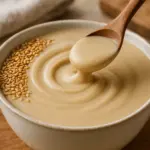
Easy Homemade Tahini (Creamy Blender Method)
- Total Time: 8 minutes
Description
A quick, beginner-friendly tahini you can blend in minutes with toasted sesame seeds and a little olive oil. It comes out creamy and smooth, perfect for hummus, sauces, and salad dressings when store-bought tahini is too bitter or thin.
Ingredients
- 4 cups hulled sesame seeds
- 3 tablespoons olive oil
Instructions
- Toast the sesame seeds: Add the sesame seeds to a dry skillet over medium-low heat. Stir constantly for 5 minutes, until lightly golden (do not let them brown). Transfer to a plate and cool completely to room temperature.
- Blend into a paste: Pour the cooled sesame seeds into a high-powered blender. Blend on high for 1 minute, using the tamper as needed to push seeds into the blades.
- Add oil and finish: Add the olive oil and blend 1 more minute, until smooth and creamy. If needed, blend a little longer to fully smooth it out.
- Prep Time: 2 minutes
- Cook Time: 6 minutes
- Category: Appetizer
- Cuisine: American
Nutrition
- Serving Size: 2 tablespoons
- Calories: 238 kcal
- Sugar: 0.1 g
- Sodium: 4 mg
- Fat: 21 g
- Saturated Fat: 3 g
- Unsaturated Fat: 17 g
- Carbohydrates: 9 g
- Fiber: 4 g
- Protein: 7 g
Find it online: https://www.easyrecipechef.com/homemade-tahini/